Buy 遥か.com ?
We are moving the project
遥か.com .
Are you interested in purchasing the domain
遥か.com ?
domain@kv-gmbh.de · 0541-91531010
Buy 遥か.com ?
What is a pronoun?
A pronoun is a word that is used in place of a noun to avoid repetition. It can refer to a person, place, thing, or idea. Pronouns help make sentences less repetitive and more concise. Examples of pronouns include he, she, it, they, we, and you. **
Which pronoun is him?
The pronoun "him" is a third person singular masculine pronoun used to refer to a male person or animal that is the object of a verb or preposition. It is the objective form of the pronoun "he." **
Similar search terms for Pronoun
Top-Angebote
Products related to Pronoun:
-
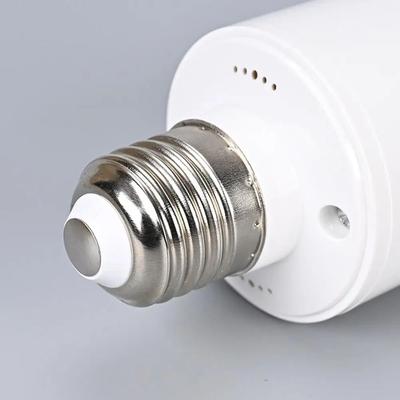
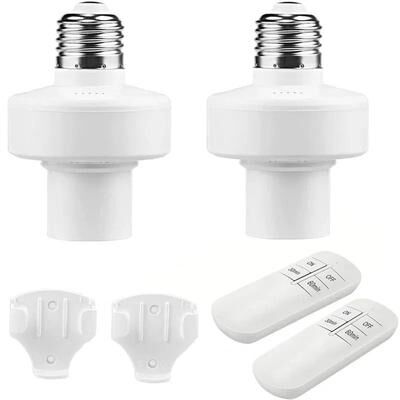
Uplift Picks Smart E27 Remote Light Socket Timer Switch Lamp Holder With Wireless On Off Control 15m Range Smart E27 Remote Light Socket Timer Switch Lamp Holder With Wireless On Off Control 15m RangeMake your lighting easier, smarter, and more convenient in seconds. This smart timer lamp holder lets you turn lights on or off without getting up, perfect for bedrooms, living rooms, or hardtoreach lamps. Simply screw it into your existing bulb...39,49 $*Shipping: 0,00 $Secure redirect to the provider
-
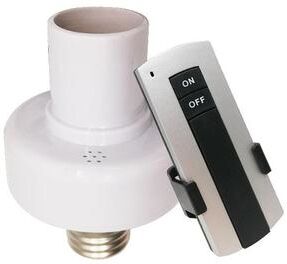
United Remote Control Bulb Adapter Wireless Remote Control Light Socket Lamp Holder Remote Control Bulb Adapter Wireless Remote Control Light Socket Lamp HolderTransform any ordinary lamp into a convenient smartcontrol lighting solution with this wireless remote control light socket adapter. Designed for effortless everyday use, it lets you switch lights on or off from across the room without wiring or...49,97 $*Shipping: 0,00 $Secure redirect to the provider


-
Is this a pronoun?
No, the word "this" is not a pronoun. It is a demonstrative adjective or pronoun that is used to indicate something specific or near in distance or time. Pronouns are words that replace nouns in a sentence, such as he, she, it, they, etc. **
-
Which pronoun is reflexive?
A reflexive pronoun is a pronoun that refers back to the subject of the sentence. It ends in -self or -selves, such as "myself," "yourself," "himself," "herself," "itself," "ourselves," "yourselves," and "themselves." Reflexive pronouns are used when the subject and object of a sentence are the same entity, emphasizing that the action is being performed by the subject onto itself. **
-
What is the difference between a personal pronoun and a possessive pronoun?
A personal pronoun is used to replace a noun and refers to a specific person or thing, such as "he," "she," or "they." On the other hand, a possessive pronoun shows ownership or possession, such as "his," "her," or "their." Personal pronouns indicate who is performing the action in a sentence, while possessive pronouns indicate who owns or possesses something. **
-
What is a personal pronoun?
A personal pronoun is a word that is used to replace a noun in a sentence to avoid repetition. Personal pronouns refer to specific people or things and can indicate the person speaking (first person), the person being spoken to (second person), or the person or thing being spoken about (third person). Examples of personal pronouns include "I," "you," "he," "she," "it," "we," and "they." **


What is the indirect pronoun?
An indirect pronoun is a pronoun that indicates the recipient of the action in a sentence. It is used to show to whom or for whom an action is being done. Indirect pronouns often come after prepositions such as "to" or "for" and can include words like "me," "you," "him," "her," "us," and "them." These pronouns help clarify the relationship between the subject and the object in a sentence. **
Is "dich" a personal pronoun?
Yes, "dich" is a personal pronoun in German. It is the accusative form of the second person singular pronoun "du," which means "you" in English. "Dich" is used when the pronoun is the direct object of a sentence. **
Top-Angebote
Products related to Pronoun:
-
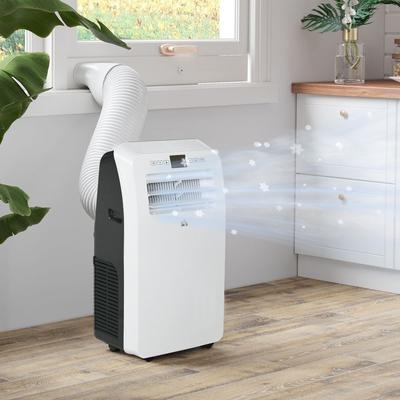
Portable Air Conditioner, Cooling Fan, Remote, 24H Timer On/OffProduct Features 3-in-1 Functionality: An indoor AC unit is essential for maintaining comfort. This portable air conditioner cools, dehumidifies, and fans your space. It has adjustable temperature control from 59-86°F and three fan speeds.512,99 $*Shipping: 0,00 $Secure redirect to the provider
-
Inspire Curations SmartEase E27 Wireless Remote Lamp Holder Intelligent Light Switch Socket For Easy On Off Control SmartEase E27 Wireless Remote Lamp Holder Intelligent Light Switch Socket For Easy On Off ControlTurning lights on and off shouldnt require getting up or fumbling for switches. This practical wireless lamp holder instantly upgrades your existing bulb into a remotely controlled light, adding comfort and convenience to any room. Designed with a...66,95 $*Shipping: 0,00 $Secure redirect to the provider
-
Uplift Picks Smart E27 Remote Light Socket Timer Switch Lamp Holder With Wireless On Off Control 15m Range Smart E27 Remote Light Socket Timer Switch Lamp Holder With Wireless On Off Control 15m RangeMake your lighting easier, smarter, and more convenient in seconds. This smart timer lamp holder lets you turn lights on or off without getting up, perfect for bedrooms, living rooms, or hardtoreach lamps. Simply screw it into your existing bulb...39,49 $*Shipping: 0,00 $Secure redirect to the provider
-
What is a pronoun?
A pronoun is a word that is used in place of a noun to avoid repetition. It can refer to a person, place, thing, or idea. Pronouns help make sentences less repetitive and more concise. Examples of pronouns include he, she, it, they, we, and you. **
-
Which pronoun is him?
The pronoun "him" is a third person singular masculine pronoun used to refer to a male person or animal that is the object of a verb or preposition. It is the objective form of the pronoun "he." **
-
Is this a pronoun?
No, the word "this" is not a pronoun. It is a demonstrative adjective or pronoun that is used to indicate something specific or near in distance or time. Pronouns are words that replace nouns in a sentence, such as he, she, it, they, etc. **
-
Which pronoun is reflexive?
A reflexive pronoun is a pronoun that refers back to the subject of the sentence. It ends in -self or -selves, such as "myself," "yourself," "himself," "herself," "itself," "ourselves," "yourselves," and "themselves." Reflexive pronouns are used when the subject and object of a sentence are the same entity, emphasizing that the action is being performed by the subject onto itself. **
Similar search terms for Pronoun
-
United Remote Control Bulb Adapter Wireless Remote Control Light Socket Lamp Holder Remote Control Bulb Adapter Wireless Remote Control Light Socket Lamp HolderTransform any ordinary lamp into a convenient smartcontrol lighting solution with this wireless remote control light socket adapter. Designed for effortless everyday use, it lets you switch lights on or off from across the room without wiring or...49,97 $*Shipping: 0,00 $Secure redirect to the provider
-
What is the difference between a personal pronoun and a possessive pronoun?
A personal pronoun is used to replace a noun and refers to a specific person or thing, such as "he," "she," or "they." On the other hand, a possessive pronoun shows ownership or possession, such as "his," "her," or "their." Personal pronouns indicate who is performing the action in a sentence, while possessive pronouns indicate who owns or possesses something. **
-
What is a personal pronoun?
A personal pronoun is a word that is used to replace a noun in a sentence to avoid repetition. Personal pronouns refer to specific people or things and can indicate the person speaking (first person), the person being spoken to (second person), or the person or thing being spoken about (third person). Examples of personal pronouns include "I," "you," "he," "she," "it," "we," and "they." **
-
What is the indirect pronoun?
An indirect pronoun is a pronoun that indicates the recipient of the action in a sentence. It is used to show to whom or for whom an action is being done. Indirect pronouns often come after prepositions such as "to" or "for" and can include words like "me," "you," "him," "her," "us," and "them." These pronouns help clarify the relationship between the subject and the object in a sentence. **
-
Is "dich" a personal pronoun?
Yes, "dich" is a personal pronoun in German. It is the accusative form of the second person singular pronoun "du," which means "you" in English. "Dich" is used when the pronoun is the direct object of a sentence. **
* All prices are inclusive of VAT and, if applicable, plus shipping costs. The offer information is based on the details provided by the respective shop and is updated through automated processes. Real-time updates do not occur, so deviations can occur in individual cases. ** Note: Parts of this content were created by AI.