Buy 遥か.com ?
We are moving the project
遥か.com .
Are you interested in purchasing the domain
遥か.com ?
domain@kv-gmbh.de · 0541-91531010
Buy 遥か.com ?
What is the difference between phylogenetic systematics and classical systematics?
Phylogenetic systematics, also known as cladistics, is a modern approach to systematics that focuses on the evolutionary relationships among organisms. It uses shared derived characteristics to group organisms into clades, which represent branches on the tree of life. In contrast, classical systematics, also known as evolutionary systematics, focuses on the overall similarity of organisms and their shared characteristics, without necessarily considering their evolutionary history. Classical systematics often relies on morphological traits and does not explicitly consider the evolutionary relationships among organisms. Overall, phylogenetic systematics provides a more accurate and detailed understanding of the evolutionary history of organisms, while classical systematics focuses more on overall similarity and shared characteristics. **
What is Systematics 2?
Systematics 2 is a branch of biology that focuses on the study of the diversity of organisms and their evolutionary relationships. It involves the classification and naming of organisms, as well as the reconstruction of their evolutionary history. Systematics 2 uses various methods and tools, such as molecular genetics, morphology, and biogeography, to understand the evolutionary patterns and processes that have led to the diversity of life on Earth. This field is important for understanding the relationships between different species and for informing conservation efforts and biodiversity management. **


Similar search terms for Systematics
Top-Angebote
Products related to Systematics:
-
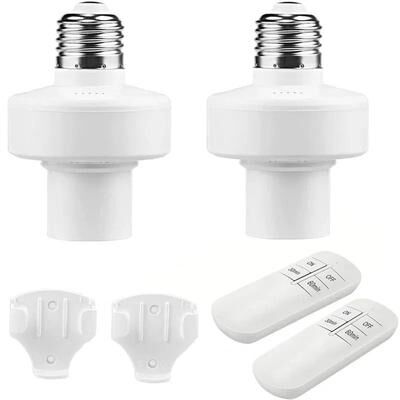
Uplift Picks Smart E27 Remote Light Socket Timer Switch Lamp Holder With Wireless On Off Control 15m Range Smart E27 Remote Light Socket Timer Switch Lamp Holder With Wireless On Off Control 15m RangeMake your lighting easier, smarter, and more convenient in seconds. This smart timer lamp holder lets you turn lights on or off without getting up, perfect for bedrooms, living rooms, or hardtoreach lamps. Simply screw it into your existing bulb...39,49 $*Shipping: 0,00 $Secure redirect to the provider
-
United Remote Control Bulb Adapter Wireless Remote Control Light Socket Lamp Holder Remote Control Bulb Adapter Wireless Remote Control Light Socket Lamp HolderTransform any ordinary lamp into a convenient smartcontrol lighting solution with this wireless remote control light socket adapter. Designed for effortless everyday use, it lets you switch lights on or off from across the room without wiring or...49,97 $*Shipping: 0,00 $Secure redirect to the provider



-
Is taxonomy the same as systematics?
Taxonomy and systematics are related fields within biology, but they are not the same. Taxonomy is the science of naming, defining, and classifying organisms into different categories based on their similarities and differences. Systematics, on the other hand, is the study of the evolutionary relationships between different organisms, including their classification and the reconstruction of their evolutionary history. While taxonomy focuses on the naming and categorization of organisms, systematics delves deeper into understanding the evolutionary relationships and patterns among different species. **
-
What is more effective: MMA systematics or Krav Maga?
The effectiveness of MMA systematics and Krav Maga depends on the individual's goals and preferences. MMA systematics focuses on a combination of striking and grappling techniques from various martial arts, making it effective for self-defense and competition. On the other hand, Krav Maga is a self-defense system developed for the Israeli military, emphasizing practical and efficient techniques for real-life situations. Both have their strengths, so it's important to consider your specific needs and interests when choosing between the two. **
-
What is the difference between taxonomy and nomenclature in systematics?
Taxonomy is the science of classifying and naming organisms based on their characteristics and evolutionary relationships. It involves identifying, describing, and naming species, as well as organizing them into hierarchical categories like genus and family. Nomenclature, on the other hand, is the system of rules and conventions for naming organisms. It includes the specific rules for assigning scientific names to organisms, ensuring that each species has a unique and universally recognized name. In summary, taxonomy is the science of classification, while nomenclature is the system of naming within that classification system. **
-
Can you give an example of the systematics in biology?
One example of systematics in biology is the classification of organisms into different taxonomic groups based on their evolutionary relationships. For instance, the classification of all living organisms into domains, kingdoms, phyla, classes, orders, families, genera, and species is a result of systematic biology. This hierarchical classification system helps scientists and researchers to understand the diversity of life on Earth and to study the evolutionary history and relationships between different species. Systematics also involves the use of phylogenetic trees to depict the evolutionary relationships between different organisms, helping to understand their shared ancestry and evolutionary divergence. **


How far can one use Remote Desktop?
One can use Remote Desktop to access a computer from anywhere in the world as long as there is an internet connection. This means that one can remotely connect to a computer located in a different country or even on a different continent. The only requirement is that the computer being accessed must be turned on and connected to the internet. **
Was the screen turned off during the remote maintenance?
Yes, the screen was turned off during the remote maintenance. This is a standard security practice to ensure that sensitive information displayed on the screen is not visible to the remote technician. It also helps to prevent any unauthorized access or viewing of the user's data during the maintenance process. **
Top-Angebote
Products related to Systematics:
-
Portable Air Conditioner, Cooling Fan, Remote, 24H Timer On/OffProduct Features 3-in-1 Functionality: An indoor AC unit is essential for maintaining comfort. This portable air conditioner cools, dehumidifies, and fans your space. It has adjustable temperature control from 59-86°F and three fan speeds.512,99 $*Shipping: 0,00 $Secure redirect to the provider
-
Inspire Curations SmartEase E27 Wireless Remote Lamp Holder Intelligent Light Switch Socket For Easy On Off Control SmartEase E27 Wireless Remote Lamp Holder Intelligent Light Switch Socket For Easy On Off ControlTurning lights on and off shouldnt require getting up or fumbling for switches. This practical wireless lamp holder instantly upgrades your existing bulb into a remotely controlled light, adding comfort and convenience to any room. Designed with a...66,95 $*Shipping: 0,00 $Secure redirect to the provider
-
What is the difference between phylogenetic systematics and classical systematics?
Phylogenetic systematics, also known as cladistics, is a modern approach to systematics that focuses on the evolutionary relationships among organisms. It uses shared derived characteristics to group organisms into clades, which represent branches on the tree of life. In contrast, classical systematics, also known as evolutionary systematics, focuses on the overall similarity of organisms and their shared characteristics, without necessarily considering their evolutionary history. Classical systematics often relies on morphological traits and does not explicitly consider the evolutionary relationships among organisms. Overall, phylogenetic systematics provides a more accurate and detailed understanding of the evolutionary history of organisms, while classical systematics focuses more on overall similarity and shared characteristics. **
-
What is Systematics 2?
Systematics 2 is a branch of biology that focuses on the study of the diversity of organisms and their evolutionary relationships. It involves the classification and naming of organisms, as well as the reconstruction of their evolutionary history. Systematics 2 uses various methods and tools, such as molecular genetics, morphology, and biogeography, to understand the evolutionary patterns and processes that have led to the diversity of life on Earth. This field is important for understanding the relationships between different species and for informing conservation efforts and biodiversity management. **
-
Is taxonomy the same as systematics?
Taxonomy and systematics are related fields within biology, but they are not the same. Taxonomy is the science of naming, defining, and classifying organisms into different categories based on their similarities and differences. Systematics, on the other hand, is the study of the evolutionary relationships between different organisms, including their classification and the reconstruction of their evolutionary history. While taxonomy focuses on the naming and categorization of organisms, systematics delves deeper into understanding the evolutionary relationships and patterns among different species. **
-
What is more effective: MMA systematics or Krav Maga?
The effectiveness of MMA systematics and Krav Maga depends on the individual's goals and preferences. MMA systematics focuses on a combination of striking and grappling techniques from various martial arts, making it effective for self-defense and competition. On the other hand, Krav Maga is a self-defense system developed for the Israeli military, emphasizing practical and efficient techniques for real-life situations. Both have their strengths, so it's important to consider your specific needs and interests when choosing between the two. **
Similar search terms for Systematics
-
Uplift Picks Smart E27 Remote Light Socket Timer Switch Lamp Holder With Wireless On Off Control 15m Range Smart E27 Remote Light Socket Timer Switch Lamp Holder With Wireless On Off Control 15m RangeMake your lighting easier, smarter, and more convenient in seconds. This smart timer lamp holder lets you turn lights on or off without getting up, perfect for bedrooms, living rooms, or hardtoreach lamps. Simply screw it into your existing bulb...39,49 $*Shipping: 0,00 $Secure redirect to the provider
-
United Remote Control Bulb Adapter Wireless Remote Control Light Socket Lamp Holder Remote Control Bulb Adapter Wireless Remote Control Light Socket Lamp HolderTransform any ordinary lamp into a convenient smartcontrol lighting solution with this wireless remote control light socket adapter. Designed for effortless everyday use, it lets you switch lights on or off from across the room without wiring or...49,97 $*Shipping: 0,00 $Secure redirect to the provider
-
What is the difference between taxonomy and nomenclature in systematics?
Taxonomy is the science of classifying and naming organisms based on their characteristics and evolutionary relationships. It involves identifying, describing, and naming species, as well as organizing them into hierarchical categories like genus and family. Nomenclature, on the other hand, is the system of rules and conventions for naming organisms. It includes the specific rules for assigning scientific names to organisms, ensuring that each species has a unique and universally recognized name. In summary, taxonomy is the science of classification, while nomenclature is the system of naming within that classification system. **
-
Can you give an example of the systematics in biology?
One example of systematics in biology is the classification of organisms into different taxonomic groups based on their evolutionary relationships. For instance, the classification of all living organisms into domains, kingdoms, phyla, classes, orders, families, genera, and species is a result of systematic biology. This hierarchical classification system helps scientists and researchers to understand the diversity of life on Earth and to study the evolutionary history and relationships between different species. Systematics also involves the use of phylogenetic trees to depict the evolutionary relationships between different organisms, helping to understand their shared ancestry and evolutionary divergence. **
-
How far can one use Remote Desktop?
One can use Remote Desktop to access a computer from anywhere in the world as long as there is an internet connection. This means that one can remotely connect to a computer located in a different country or even on a different continent. The only requirement is that the computer being accessed must be turned on and connected to the internet. **
-
Was the screen turned off during the remote maintenance?
Yes, the screen was turned off during the remote maintenance. This is a standard security practice to ensure that sensitive information displayed on the screen is not visible to the remote technician. It also helps to prevent any unauthorized access or viewing of the user's data during the maintenance process. **
* All prices are inclusive of VAT and, if applicable, plus shipping costs. The offer information is based on the details provided by the respective shop and is updated through automated processes. Real-time updates do not occur, so deviations can occur in individual cases. ** Note: Parts of this content were created by AI.