Buy 遥か.com ?
We are moving the project
遥か.com .
Are you interested in purchasing the domain
遥か.com ?
domain@kv-gmbh.de · 0541-91531010
Buy 遥か.com ?
Does rainwater harvesting pay off?
Rainwater harvesting can be a cost-effective and sustainable way to collect and store water for various uses. It can help reduce water bills, especially in areas where water is scarce or expensive. Additionally, rainwater harvesting can also help reduce the strain on local water supplies and infrastructure. While there may be initial costs associated with setting up a rainwater harvesting system, the long-term benefits and savings can make it a worthwhile investment. **
Is rainwater clean?
Rainwater is generally considered clean as it falls from the sky, but it can pick up pollutants and contaminants as it travels through the atmosphere and lands on surfaces like rooftops. It can pick up pollutants such as dust, dirt, bird droppings, and chemicals from air pollution. Therefore, it is recommended to treat or filter rainwater before consumption to ensure it is safe for drinking or other uses. **

Similar search terms for Rainwater
Top-Angebote
Products related to Rainwater:
-
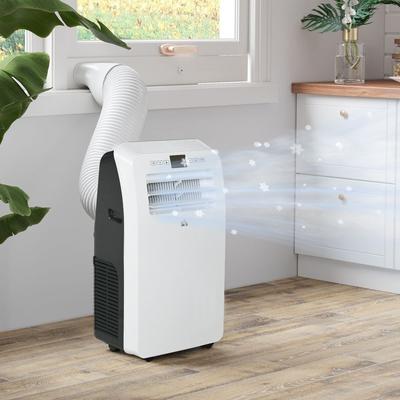
Portable Air Conditioner, Cooling Fan, Remote, 24H Timer On/OffProduct Features 3-in-1 Functionality: An indoor AC unit is essential for maintaining comfort. This portable air conditioner cools, dehumidifies, and fans your space. It has adjustable temperature control from 59-86°F and three fan speeds.512,99 $*Shipping: 0,00 $Secure redirect to the provider
-
Fusion Finds Universal Remote Cloner & Garage Door Opener Remote Button Fixed Code Duplicator Universal Remote Cloner & Garage Door Opener Remote Button Fixed Code DuplicatorGet effortless control over your access systems with this 4button garage door opener remote that duplicates existing fixed signal remotes in seconds. Designed for homeowners, drivers, and tech enthusiasts, this compact device lets you consolidate up...29,97 $*Shipping: 0,00 $Secure redirect to the provider
-
Fusion Finds 12V Remote Battery Disconnect Switch 300A Wireless Battery Cut Off Switch 1Protect your vehicle from unwanted battery drain and stay in control even during long periods of parking. This remote battery disconnect switch lets you conveniently isolate a 12V battery using wireless remote control or the manual switch. Its smart...119,97 $*Shipping: 0,00 $Secure redirect to the provider



-
What is rainwater?
Rainwater is water that falls from the atmosphere as a result of condensation of water vapor. It is a natural source of freshwater and is essential for the survival of plants, animals, and humans. Rainwater is typically clean and free of pollutants, making it a valuable resource for drinking, irrigation, and other uses. It plays a crucial role in the water cycle, replenishing rivers, lakes, and groundwater supplies. **
-
How far can a dirty water submersible pump transport rainwater?
A dirty water submersible pump can transport rainwater over a considerable distance, depending on the specific model and the conditions of the environment. These pumps are designed to handle water with debris and particles, making them suitable for transporting rainwater from collection points such as ponds, lakes, or flooded areas. The distance the pump can transport the water will depend on factors such as the power of the pump, the elevation changes, and the diameter and length of the piping used. In general, these pumps can transport rainwater over several hundred feet, but the exact distance will vary based on the specific circumstances. **
-
Why is rainwater acidic?
Rainwater becomes acidic due to the presence of carbon dioxide in the atmosphere. When carbon dioxide dissolves in rainwater, it forms carbonic acid, lowering the pH of the rainwater. Additionally, pollutants such as sulfur dioxide and nitrogen oxides can also mix with rainwater, further lowering its pH and making it more acidic. This acidic rainwater can have harmful effects on the environment, including damaging plants, aquatic life, and infrastructure. **
-
What about contaminated rainwater?
Contaminated rainwater occurs when pollutants from the atmosphere are carried down to the ground by rain. This can happen when pollutants such as chemicals, heavy metals, or microorganisms are present in the air and then deposited onto surfaces during rainfall. Contaminated rainwater can pose a risk to human health and the environment if it is ingested or comes into contact with skin. It is important to be aware of potential sources of contamination and take steps to minimize exposure to contaminated rainwater. **


Who owns the rainwater?
In many places, rainwater is considered a common resource and is owned by the public. However, in some areas, laws and regulations may dictate that landowners have certain rights and responsibilities regarding rainwater that falls on their property. These laws can vary widely depending on the location and may include rules about collecting, using, or managing rainwater. It's important to research and understand the specific regulations in your area to determine who owns the rainwater. **
Can one drink rainwater?
Yes, it is generally safe to drink rainwater that has been collected and stored properly. However, it is important to ensure that the rainwater is collected in a clean container and filtered or treated before consumption to remove any potential contaminants. Additionally, it is recommended to use rainwater for non-potable purposes such as watering plants or washing clothes, rather than for drinking, to minimize any health risks. **
Top-Angebote
Products related to Rainwater:
-
Inspired Finds Rainwater Transfer & Overflow Kit Self Priming Siphon Hose Set blackTake control of your rainwater system with the Rainwater Transfer & Overflow Kit an elegant, noelectricity solution for automatic drainage, filling and overflow prevention. Designed for homeowners, gardeners or anyone managing roofrunoff and storage...34,99 $*Shipping: 0,00 $Secure redirect to the provider
-
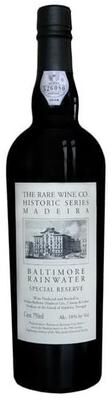
"""Rare Wine Co.""" """Rare Wine Co. Baltimore Rainwater Special Reserve Madeira Dessert Wine - Portugal""""""Rainwater took its name from its pale color and delicate texture and flavor. Yet, the origins of the style are shrouded in mystery. Some attributed it to a Savannah wine merchant after the Civil War, but that cannot be, as Rainwaters existed at..."57,99 $*Shipping: 0,00 $Secure redirect to the provider
-
Portable Air Conditioner, Cooling Fan, Remote, 24H Timer On/OffProduct Features 3-in-1 Functionality: An indoor AC unit is essential for maintaining comfort. This portable air conditioner cools, dehumidifies, and fans your space. It has adjustable temperature control from 59-86°F and three fan speeds.512,99 $*Shipping: 0,00 $Secure redirect to the provider
-
Does rainwater harvesting pay off?
Rainwater harvesting can be a cost-effective and sustainable way to collect and store water for various uses. It can help reduce water bills, especially in areas where water is scarce or expensive. Additionally, rainwater harvesting can also help reduce the strain on local water supplies and infrastructure. While there may be initial costs associated with setting up a rainwater harvesting system, the long-term benefits and savings can make it a worthwhile investment. **
-
Is rainwater clean?
Rainwater is generally considered clean as it falls from the sky, but it can pick up pollutants and contaminants as it travels through the atmosphere and lands on surfaces like rooftops. It can pick up pollutants such as dust, dirt, bird droppings, and chemicals from air pollution. Therefore, it is recommended to treat or filter rainwater before consumption to ensure it is safe for drinking or other uses. **
-
What is rainwater?
Rainwater is water that falls from the atmosphere as a result of condensation of water vapor. It is a natural source of freshwater and is essential for the survival of plants, animals, and humans. Rainwater is typically clean and free of pollutants, making it a valuable resource for drinking, irrigation, and other uses. It plays a crucial role in the water cycle, replenishing rivers, lakes, and groundwater supplies. **
-
How far can a dirty water submersible pump transport rainwater?
A dirty water submersible pump can transport rainwater over a considerable distance, depending on the specific model and the conditions of the environment. These pumps are designed to handle water with debris and particles, making them suitable for transporting rainwater from collection points such as ponds, lakes, or flooded areas. The distance the pump can transport the water will depend on factors such as the power of the pump, the elevation changes, and the diameter and length of the piping used. In general, these pumps can transport rainwater over several hundred feet, but the exact distance will vary based on the specific circumstances. **
Similar search terms for Rainwater
-
Fusion Finds Universal Remote Cloner & Garage Door Opener Remote Button Fixed Code Duplicator Universal Remote Cloner & Garage Door Opener Remote Button Fixed Code DuplicatorGet effortless control over your access systems with this 4button garage door opener remote that duplicates existing fixed signal remotes in seconds. Designed for homeowners, drivers, and tech enthusiasts, this compact device lets you consolidate up...29,97 $*Shipping: 0,00 $Secure redirect to the provider
-
Fusion Finds 12V Remote Battery Disconnect Switch 300A Wireless Battery Cut Off Switch 1Protect your vehicle from unwanted battery drain and stay in control even during long periods of parking. This remote battery disconnect switch lets you conveniently isolate a 12V battery using wireless remote control or the manual switch. Its smart...119,97 $*Shipping: 0,00 $Secure redirect to the provider
-
Why is rainwater acidic?
Rainwater becomes acidic due to the presence of carbon dioxide in the atmosphere. When carbon dioxide dissolves in rainwater, it forms carbonic acid, lowering the pH of the rainwater. Additionally, pollutants such as sulfur dioxide and nitrogen oxides can also mix with rainwater, further lowering its pH and making it more acidic. This acidic rainwater can have harmful effects on the environment, including damaging plants, aquatic life, and infrastructure. **
-
What about contaminated rainwater?
Contaminated rainwater occurs when pollutants from the atmosphere are carried down to the ground by rain. This can happen when pollutants such as chemicals, heavy metals, or microorganisms are present in the air and then deposited onto surfaces during rainfall. Contaminated rainwater can pose a risk to human health and the environment if it is ingested or comes into contact with skin. It is important to be aware of potential sources of contamination and take steps to minimize exposure to contaminated rainwater. **
-
Who owns the rainwater?
In many places, rainwater is considered a common resource and is owned by the public. However, in some areas, laws and regulations may dictate that landowners have certain rights and responsibilities regarding rainwater that falls on their property. These laws can vary widely depending on the location and may include rules about collecting, using, or managing rainwater. It's important to research and understand the specific regulations in your area to determine who owns the rainwater. **
-
Can one drink rainwater?
Yes, it is generally safe to drink rainwater that has been collected and stored properly. However, it is important to ensure that the rainwater is collected in a clean container and filtered or treated before consumption to remove any potential contaminants. Additionally, it is recommended to use rainwater for non-potable purposes such as watering plants or washing clothes, rather than for drinking, to minimize any health risks. **
* All prices are inclusive of VAT and, if applicable, plus shipping costs. The offer information is based on the details provided by the respective shop and is updated through automated processes. Real-time updates do not occur, so deviations can occur in individual cases. ** Note: Parts of this content were created by AI.