Buy 遥か.com ?
We are moving the project
遥か.com .
Are you interested in purchasing the domain
遥か.com ?
domain@kv-gmbh.de · 0541-91531010
Buy 遥か.com ?
What is a connecting rod bearing 2?
A connecting rod bearing 2 is a component of an engine that helps to reduce friction between the connecting rod and the crankshaft. It is typically made of a durable material such as steel or aluminum and is designed to withstand high levels of stress and heat. The connecting rod bearing 2 plays a crucial role in ensuring smooth operation of the engine by allowing the connecting rod to move freely and smoothly as the engine runs. **
What is the connecting rod or the conrod?
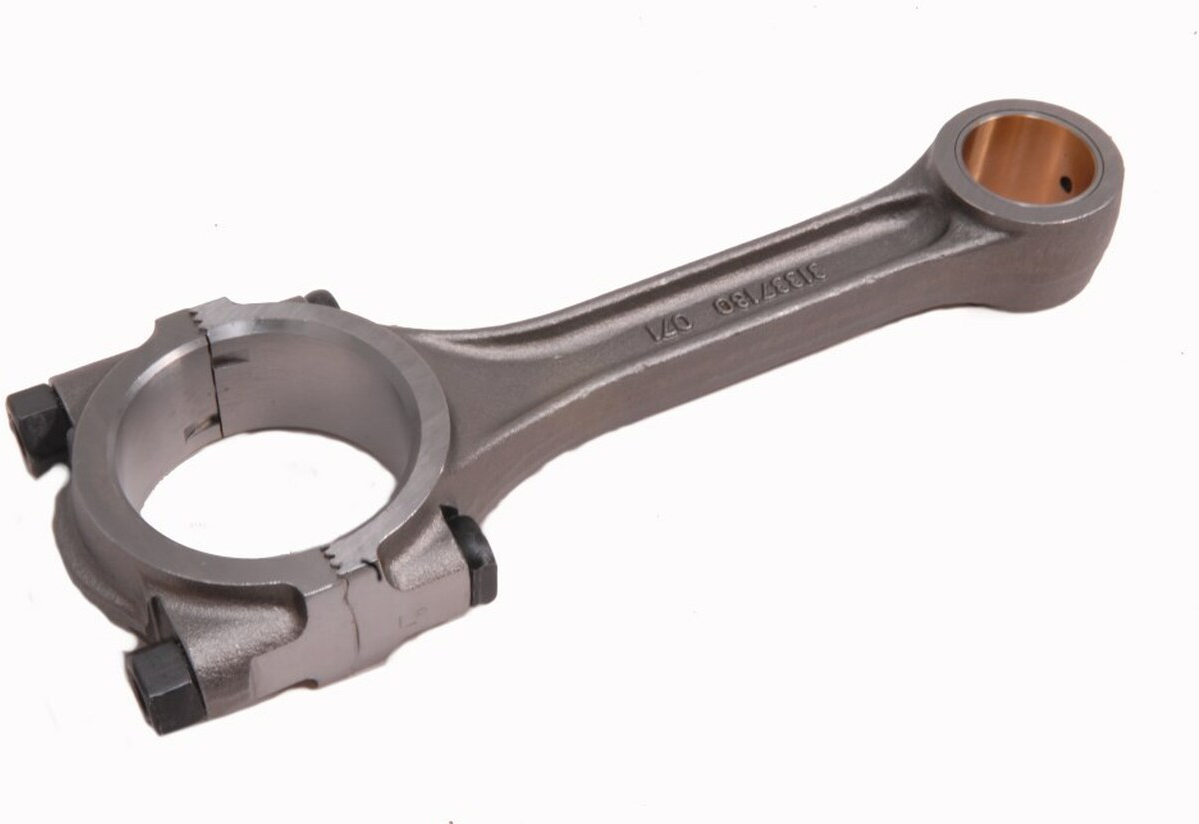
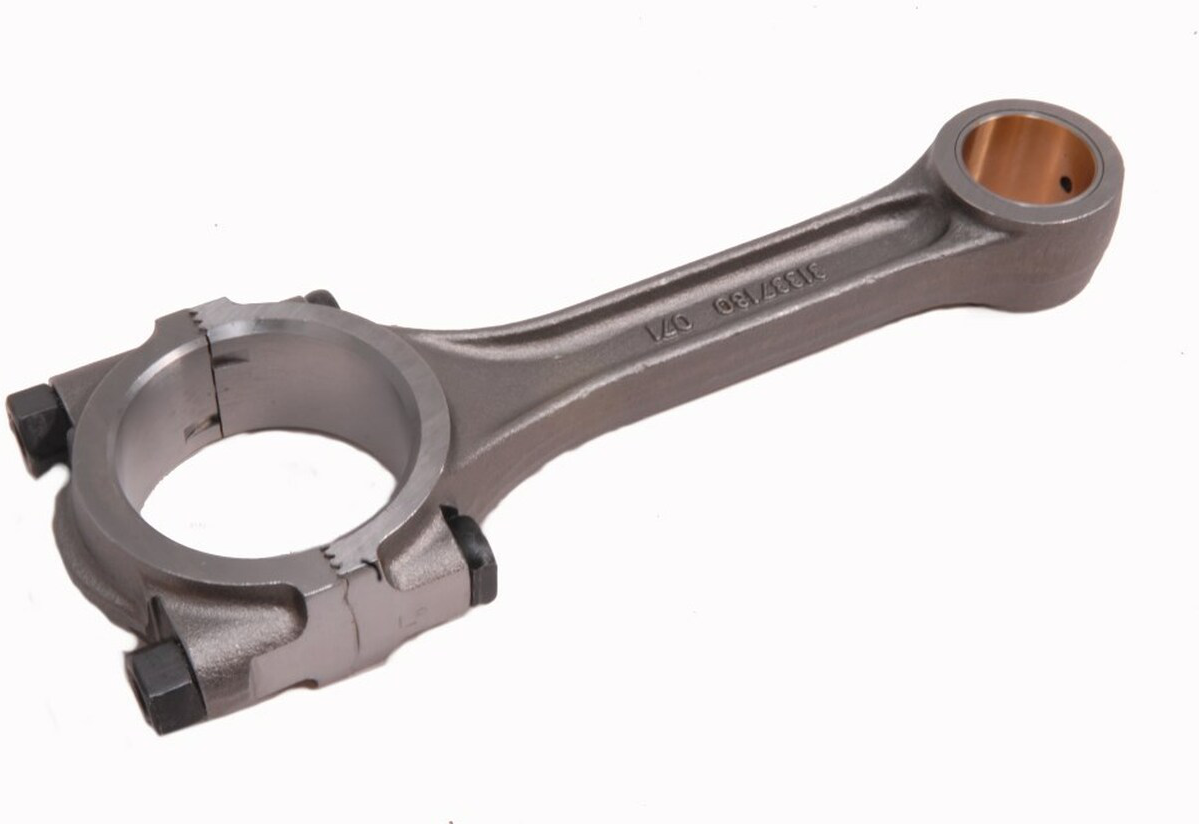
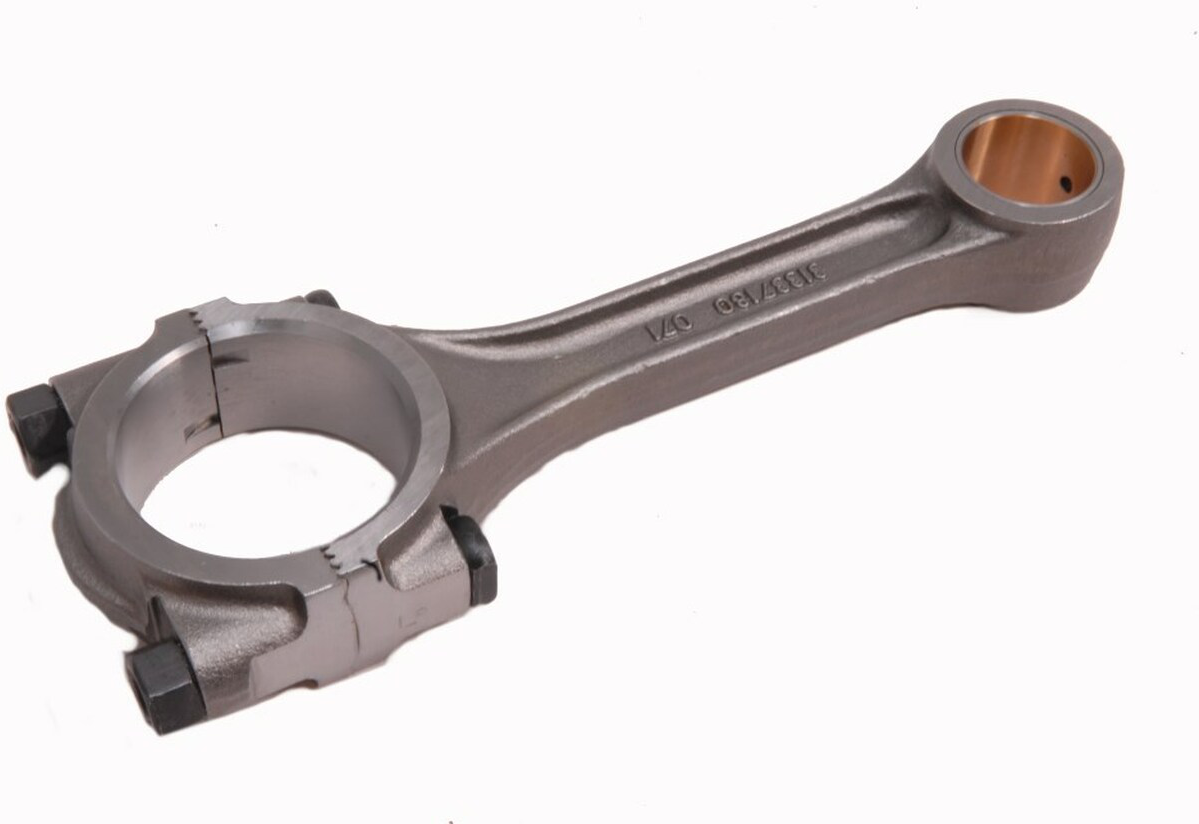
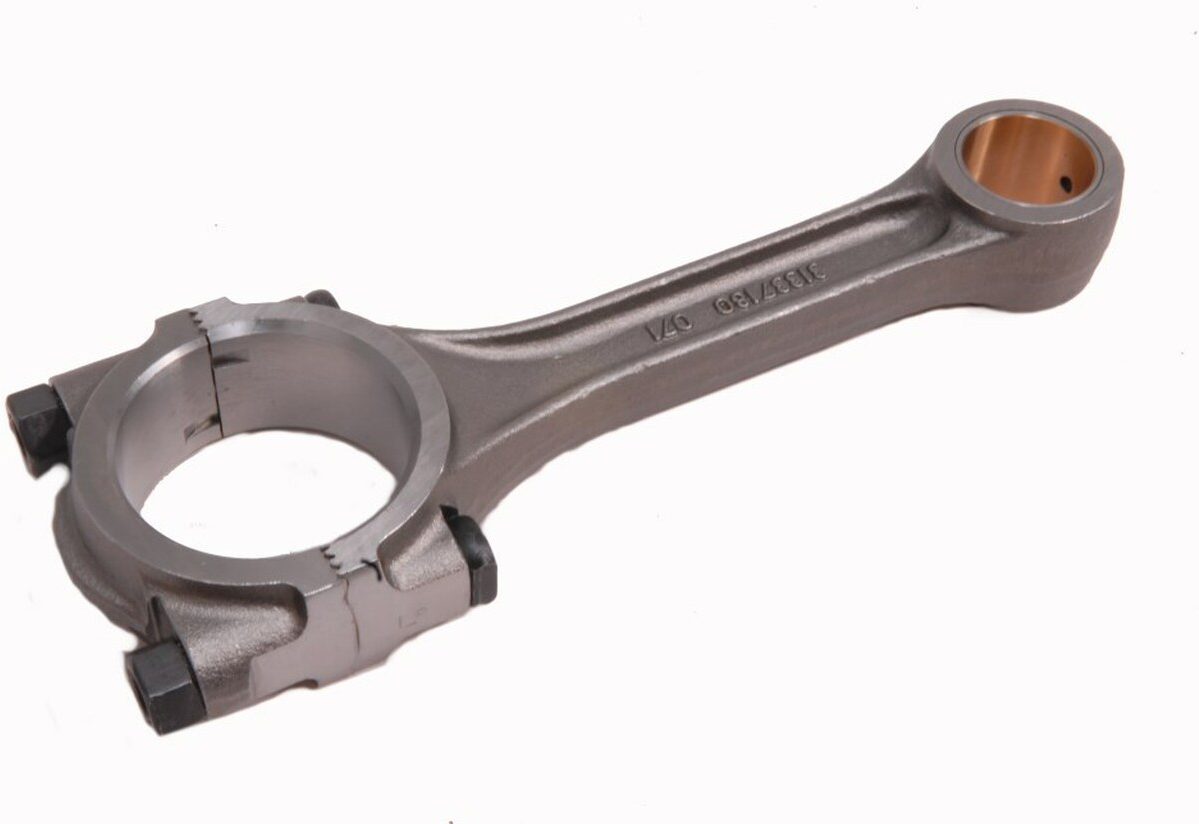
The connecting rod, also known as the conrod, is a component in an internal combustion engine that connects the piston to the crankshaft. It plays a crucial role in converting the reciprocating motion of the piston into rotational motion of the crankshaft. The connecting rod is subjected to high forces and must be strong and durable to withstand the stresses of engine operation. It is typically made of steel or aluminum alloy and is a critical component in the engine's power transmission system. **
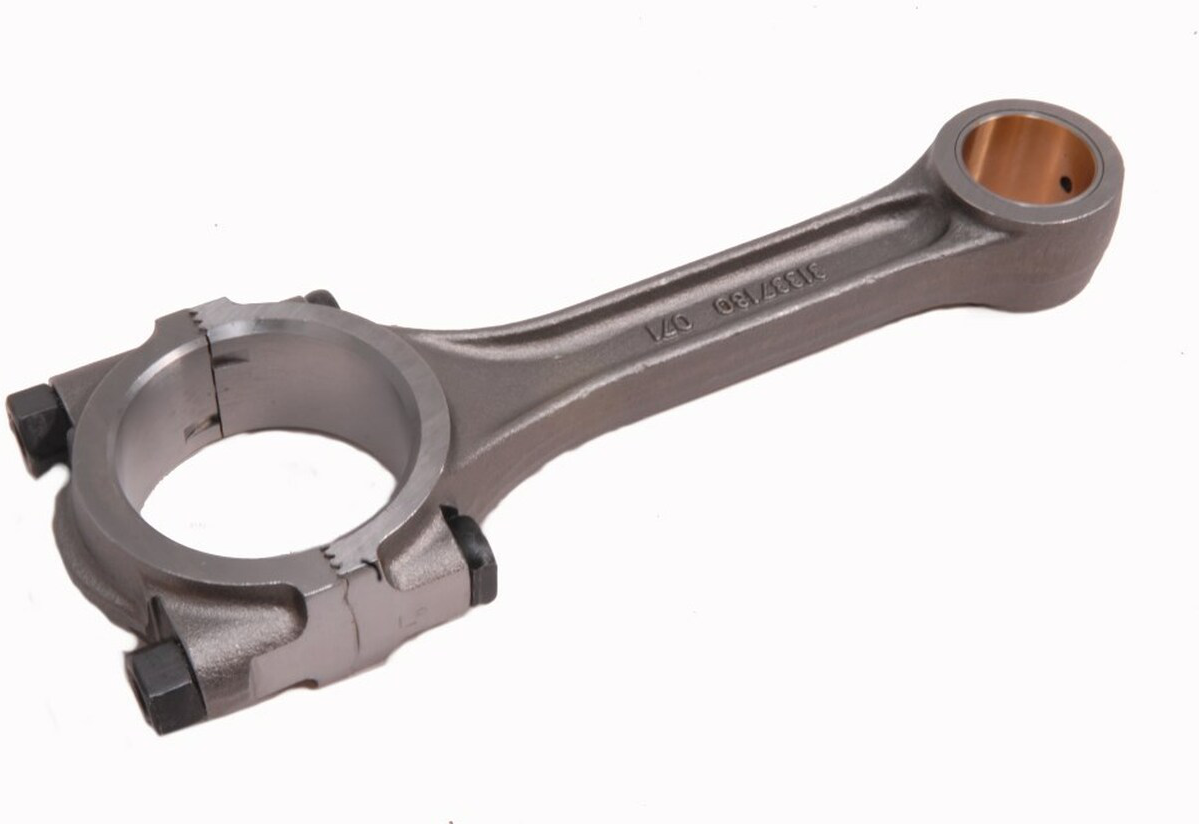
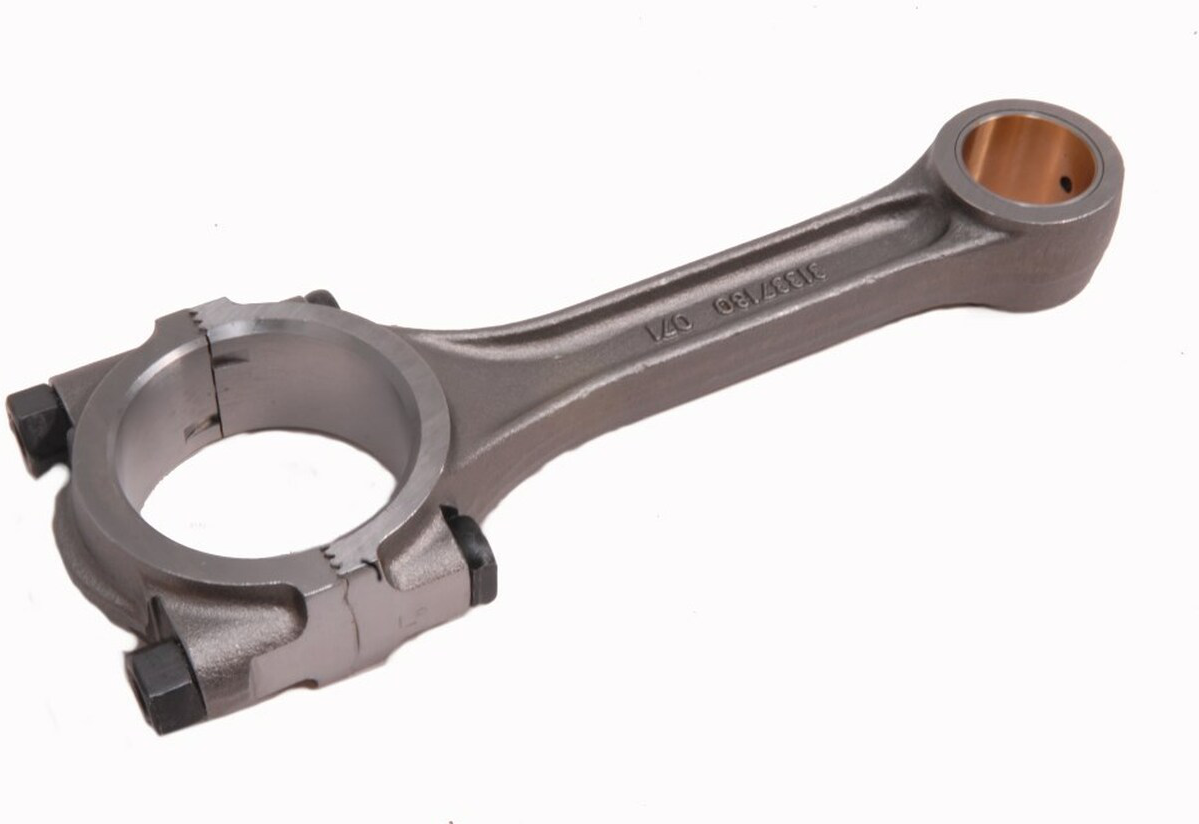
Similar search terms for IPSA-CO001900-Connecting-Rod
Top-Angebote
Products related to IPSA-CO001900-Connecting-Rod:
-
IPSA CO001100 Connecting RodTightening Torque [Nm]: 50; Hole Spacing [mm]: 149; Cylinder Bore [mm]: 88; Processing: Forged; Weight [g]: 750; TecDoc Engine Number: 15455, 20334, 17009, 15451, 17731, 21145, 17007, 17323, 18129, 17544, 17542, 17543, 18289, 24573, 20921, 22844, 22140, 20730, 23620, 23618, 26257, 20362, 22694, 20360, 20984, 16895; Required quantity: 5, 464,49 £*Shipping: 8,45 £Secure redirect to the provider
-
IPSA CO001800 Connecting RodTightening Torque [Nm]: 45; Hole Spacing [mm]: 126,8; Cylinder Bore [mm]: 73,7; Processing: Forged, cracked; Weight [g]: 500; Pin Diameter [mm]: 20; TecDoc Engine Number: 26332, 23542, 17509, 23773, 17307, 17346, 16426, 18693, 20951, 23996; Required quantity: 474,49 £*Shipping: 8,45 £Secure redirect to the provider
-
IPSA CO002000 Connecting RodTightening Torque [Nm]: 60; Hole Spacing [mm]: 133,8; Cylinder Bore [mm]: 76; Processing: Forged, cracked; Weight [g]: 535; Pin Diameter [mm]: 26; TecDoc Engine Number: 24579, 23521, 23743, 25693, 22179, 26066, 26067, 25691, 21133, 25692, 24780, 28005, 31046, 24783, 24785, 28610, 31672, 28220, 32894, 32895, 26246, 18536, 23549, 18538, 20831, 18537, 26080, 21171, 20446, 31620, 29420, 31623, 26258, 27682, 35716, 20830, 29685, 31619, 23877, 16219, 16343, 16344, 17488, 16534, 17660, 20971, 20706, 20707, 18419, 21135, 20988, 20829, 22192, 18514, 21173, 31279, 21368, 20974, 24675, 19223, 26291, 27990, 20817, 22194, 22193, 24967, 20832, 22403, 21439, 21134, 23742, 31047, 24784, 29422, 31622, 35586, 28611, 27683, 31425, 32417, 32139, 29537, 29780, 21438, 23795, 32413, 32414, 27697, 34236, 35726; Required quantity: 463,49 £*Shipping: 8,45 £Secure redirect to the provider
-
How does a connecting rod drive work without dead center?
A connecting rod drive works without dead center by utilizing a mechanism that ensures the piston and crankshaft are never at a complete stop simultaneously. This is achieved by offsetting the crankshaft journal from the centerline of the piston, creating an eccentric motion that prevents the piston from reaching a dead center position. As a result, the engine can continue to operate smoothly without the risk of the piston getting stuck at a dead center position, which could cause the engine to seize. **
-
How does a connecting rod drive work without a dead center?
A connecting rod drive works without a dead center by utilizing a mechanism that allows for continuous motion without any stoppage or reversal of direction. This is achieved by using a crankshaft that converts the reciprocating motion of the connecting rod into rotational motion. The crankshaft is designed in such a way that it maintains a constant rotation, ensuring that there are no dead centers where the motion would come to a halt. This continuous motion allows the engine to operate smoothly and efficiently. **
-
Which connecting cable is suitable for the DJI remote control?
The DJI remote control typically uses a USB Type-C cable for connecting to devices such as smartphones or tablets. This cable allows for fast data transfer and reliable connection between the remote control and the device. It is important to use a high-quality USB Type-C cable to ensure smooth communication and optimal performance during flight operations. **
-
Why is the new remote control of Hisense LTDN50XT881 not connecting?
There could be several reasons why the new remote control of Hisense LTDN50XT881 is not connecting. It is possible that the remote control is not properly paired with the TV, the batteries in the remote control may be dead or inserted incorrectly, there could be interference from other electronic devices, or there may be a malfunction with either the remote control or the TV itself. It is recommended to check the batteries, ensure the remote is properly paired, and try troubleshooting steps provided by the manufacturer to resolve the issue. **
Why is the new remote control from Hisense LTDN50XT881 not connecting?
There could be several reasons why the new remote control from Hisense LTDN50XT881 is not connecting. It is possible that the remote control needs to be paired with the TV before it can work properly. Additionally, there may be an issue with the batteries in the remote control or with the infrared sensor on the TV. It is also possible that there is interference from other electronic devices in the vicinity. Troubleshooting steps such as checking the batteries, ensuring the remote is properly paired, and removing any potential sources of interference may help resolve the issue. **
Why is the Mavic Pro DJI drone not connecting to the remote control?
There could be several reasons why the Mavic Pro DJI drone is not connecting to the remote control. One possibility is that the remote control and the drone are not paired properly. Another reason could be interference from other electronic devices or radio signals in the area. Additionally, there may be a problem with the firmware or software of either the drone or the remote control. It is also possible that there is a hardware issue with either the drone or the remote control. Troubleshooting steps such as checking for firmware updates, ensuring proper pairing, and checking for interference can help resolve the issue. If the problem persists, contacting DJI customer support may be necessary. **
Top-Angebote
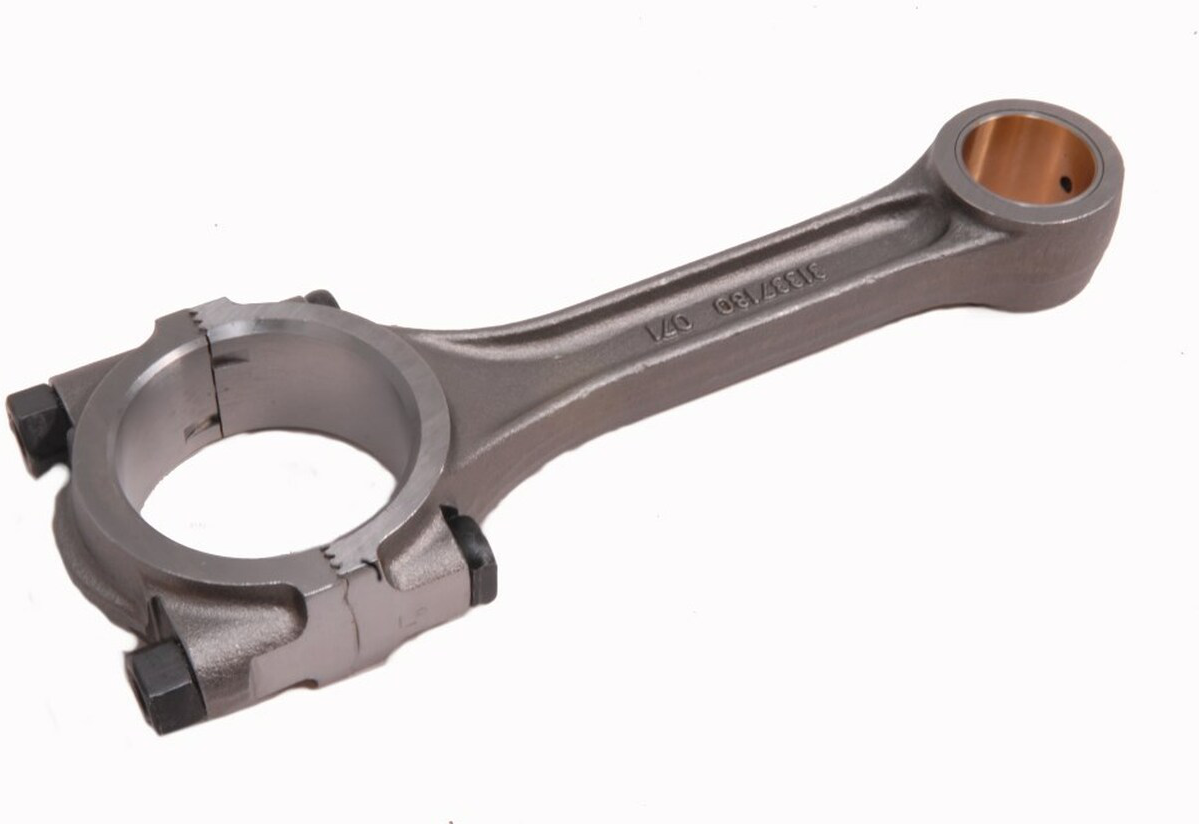
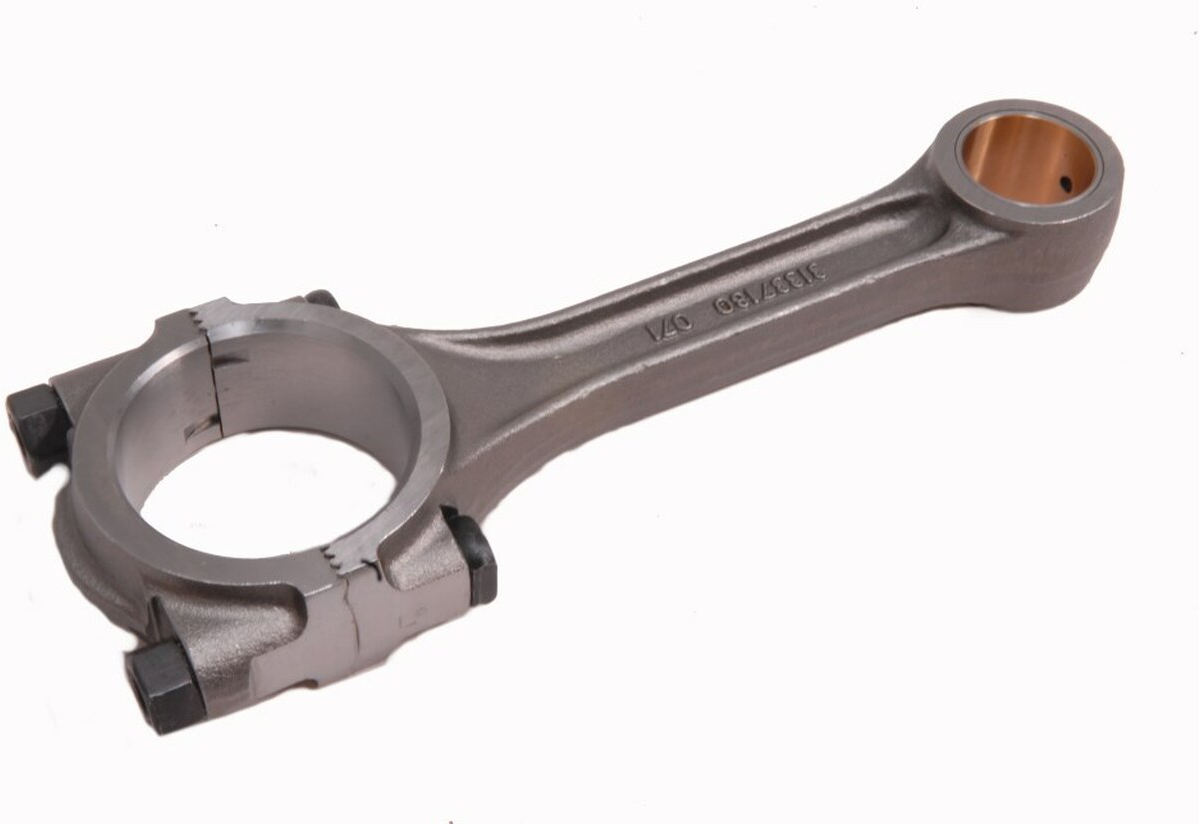
Products related to IPSA-CO001900-Connecting-Rod:
-
IPSA CO001100 Connecting RodTightening Torque [Nm]: 50; Hole Spacing [mm]: 149; Cylinder Bore [mm]: 88; Processing: Forged; Weight [g]: 750; TecDoc Engine Number: 15455, 20334, 17009, 15451, 17731, 21145, 17007, 17323, 18129, 17544, 17542, 17543, 18289, 24573, 20921, 22844, 22140, 20730, 23620, 23618, 26257, 20362, 22694, 20360, 20984, 16895; Required quantity: 5, 464,49 £*Shipping: 8,45 £Secure redirect to the provider
-
What is a connecting rod bearing 2?
A connecting rod bearing 2 is a component of an engine that helps to reduce friction between the connecting rod and the crankshaft. It is typically made of a durable material such as steel or aluminum and is designed to withstand high levels of stress and heat. The connecting rod bearing 2 plays a crucial role in ensuring smooth operation of the engine by allowing the connecting rod to move freely and smoothly as the engine runs. **
-
What is the connecting rod or the conrod?
The connecting rod, also known as the conrod, is a component in an internal combustion engine that connects the piston to the crankshaft. It plays a crucial role in converting the reciprocating motion of the piston into rotational motion of the crankshaft. The connecting rod is subjected to high forces and must be strong and durable to withstand the stresses of engine operation. It is typically made of steel or aluminum alloy and is a critical component in the engine's power transmission system. **
-
How does a connecting rod drive work without dead center?
A connecting rod drive works without dead center by utilizing a mechanism that ensures the piston and crankshaft are never at a complete stop simultaneously. This is achieved by offsetting the crankshaft journal from the centerline of the piston, creating an eccentric motion that prevents the piston from reaching a dead center position. As a result, the engine can continue to operate smoothly without the risk of the piston getting stuck at a dead center position, which could cause the engine to seize. **
-
How does a connecting rod drive work without a dead center?
A connecting rod drive works without a dead center by utilizing a mechanism that allows for continuous motion without any stoppage or reversal of direction. This is achieved by using a crankshaft that converts the reciprocating motion of the connecting rod into rotational motion. The crankshaft is designed in such a way that it maintains a constant rotation, ensuring that there are no dead centers where the motion would come to a halt. This continuous motion allows the engine to operate smoothly and efficiently. **
Similar search terms for IPSA-CO001900-Connecting-Rod
-
IPSA CO001800 Connecting RodTightening Torque [Nm]: 45; Hole Spacing [mm]: 126,8; Cylinder Bore [mm]: 73,7; Processing: Forged, cracked; Weight [g]: 500; Pin Diameter [mm]: 20; TecDoc Engine Number: 26332, 23542, 17509, 23773, 17307, 17346, 16426, 18693, 20951, 23996; Required quantity: 474,49 £*Shipping: 8,45 £Secure redirect to the provider
-
IPSA CO002000 Connecting RodTightening Torque [Nm]: 60; Hole Spacing [mm]: 133,8; Cylinder Bore [mm]: 76; Processing: Forged, cracked; Weight [g]: 535; Pin Diameter [mm]: 26; TecDoc Engine Number: 24579, 23521, 23743, 25693, 22179, 26066, 26067, 25691, 21133, 25692, 24780, 28005, 31046, 24783, 24785, 28610, 31672, 28220, 32894, 32895, 26246, 18536, 23549, 18538, 20831, 18537, 26080, 21171, 20446, 31620, 29420, 31623, 26258, 27682, 35716, 20830, 29685, 31619, 23877, 16219, 16343, 16344, 17488, 16534, 17660, 20971, 20706, 20707, 18419, 21135, 20988, 20829, 22192, 18514, 21173, 31279, 21368, 20974, 24675, 19223, 26291, 27990, 20817, 22194, 22193, 24967, 20832, 22403, 21439, 21134, 23742, 31047, 24784, 29422, 31622, 35586, 28611, 27683, 31425, 32417, 32139, 29537, 29780, 21438, 23795, 32413, 32414, 27697, 34236, 35726; Required quantity: 463,49 £*Shipping: 8,45 £Secure redirect to the provider
-
Which connecting cable is suitable for the DJI remote control?
The DJI remote control typically uses a USB Type-C cable for connecting to devices such as smartphones or tablets. This cable allows for fast data transfer and reliable connection between the remote control and the device. It is important to use a high-quality USB Type-C cable to ensure smooth communication and optimal performance during flight operations. **
-
Why is the new remote control of Hisense LTDN50XT881 not connecting?
There could be several reasons why the new remote control of Hisense LTDN50XT881 is not connecting. It is possible that the remote control is not properly paired with the TV, the batteries in the remote control may be dead or inserted incorrectly, there could be interference from other electronic devices, or there may be a malfunction with either the remote control or the TV itself. It is recommended to check the batteries, ensure the remote is properly paired, and try troubleshooting steps provided by the manufacturer to resolve the issue. **
-
Why is the new remote control from Hisense LTDN50XT881 not connecting?
There could be several reasons why the new remote control from Hisense LTDN50XT881 is not connecting. It is possible that the remote control needs to be paired with the TV before it can work properly. Additionally, there may be an issue with the batteries in the remote control or with the infrared sensor on the TV. It is also possible that there is interference from other electronic devices in the vicinity. Troubleshooting steps such as checking the batteries, ensuring the remote is properly paired, and removing any potential sources of interference may help resolve the issue. **
-
Why is the Mavic Pro DJI drone not connecting to the remote control?
There could be several reasons why the Mavic Pro DJI drone is not connecting to the remote control. One possibility is that the remote control and the drone are not paired properly. Another reason could be interference from other electronic devices or radio signals in the area. Additionally, there may be a problem with the firmware or software of either the drone or the remote control. It is also possible that there is a hardware issue with either the drone or the remote control. Troubleshooting steps such as checking for firmware updates, ensuring proper pairing, and checking for interference can help resolve the issue. If the problem persists, contacting DJI customer support may be necessary. **
* All prices are inclusive of VAT and, if applicable, plus shipping costs. The offer information is based on the details provided by the respective shop and is updated through automated processes. Real-time updates do not occur, so deviations can occur in individual cases. ** Note: Parts of this content were created by AI.