Buy 遥か.com ?
We are moving the project
遥か.com .
Are you interested in purchasing the domain
遥か.com ?
domain@kv-gmbh.de · 0541-91531010
Buy 遥か.com ?
Why is the sound interface outputting faulty sound?
The sound interface may be outputting faulty sound due to a variety of reasons such as a loose connection between the interface and the audio output device, outdated or corrupted drivers, or hardware malfunctions within the interface itself. Additionally, incorrect settings or configurations in the sound interface software could also be causing the issue. It is important to troubleshoot each of these potential causes to pinpoint the exact reason for the faulty sound output. **
Why is the sound interface producing faulty sound?
The sound interface may be producing faulty sound due to a variety of reasons. It could be a hardware issue such as a loose connection, damaged cables, or a malfunctioning sound card. It could also be a software issue such as outdated drivers, incompatible settings, or conflicting applications. Additionally, the problem could be related to the audio input or output devices themselves, such as a faulty microphone or speakers. Troubleshooting these potential causes can help identify and resolve the issue with the sound interface. **

Similar search terms for Felt-Right-Interface-Sound
Top-Angebote
Products related to Felt-Right-Interface-Sound:
-
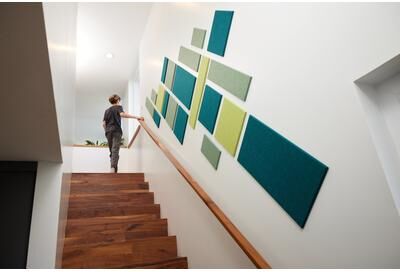
Felt Right Baltic Sound Dampening Pinnable TilesIf your walls look empty this Baltic design will brighten up any room. Bringing life and character to any space. Enjoy this preconfigured design in Atlantic, Oxford, Palm, and Sage or customize it to fit your space and color palette by clicking...175,56 $*Shipping: 0,00 $Secure redirect to the provider




-
Does an audio interface replace my sound card?
Yes, an audio interface can replace your sound card. An audio interface is an external device that connects to your computer and provides high-quality audio inputs and outputs for recording and playback. It typically offers better sound quality and more features than a built-in sound card. Additionally, an audio interface is designed specifically for audio production tasks, making it a preferred choice for musicians, producers, and audio engineers. **
-
Does an audio interface improve my sound experience?
Yes, an audio interface can improve your sound experience by providing better quality analog-to-digital and digital-to-analog conversion, resulting in clearer and more accurate sound reproduction. It can also offer better preamps for recording microphones and instruments, as well as improved connectivity options for connecting to other audio equipment. Overall, an audio interface can enhance the quality and fidelity of your sound, making it a valuable investment for anyone looking to improve their audio experience. **
-
Can a graphical remote interface be installed on a Linux server?
Yes, a graphical remote interface can be installed on a Linux server. One popular option is to install a desktop environment such as GNOME or KDE on the server. This can be done by installing the necessary packages and configuring a remote desktop protocol such as VNC or RDP. Once set up, users can connect to the server remotely and interact with it using a graphical interface. **
-
Does that sound right?
Yes, that sounds right. It is important to confirm if the information provided is accurate or if the conclusion drawn is correct. Asking "Does that sound right?" allows for clarification and ensures that both parties are on the same page. It also shows a willingness to listen and consider different perspectives. **


How is the sound transmitted over remote desktop?
Sound is transmitted over remote desktop by capturing the audio output from the remote computer and transmitting it to the local computer. This is typically done using a protocol such as Remote Desktop Protocol (RDP) or Virtual Network Computing (VNC). The audio data is compressed and transmitted over the network to the local computer, where it is then decompressed and played through the local audio output device. This allows users to hear the sound from the remote computer as if it were playing on their local machine. **
Why is there no sound in Remote Desktop?
There may be no sound in Remote Desktop due to several reasons. One common reason is that the sound redirection feature may be disabled in the Remote Desktop settings. Another reason could be that the audio drivers on the remote computer are not properly configured or installed. Additionally, network issues or limitations may also cause sound to not be transmitted through Remote Desktop. It is important to check the settings and configurations on both the local and remote computers to ensure that sound redirection is enabled and that the necessary drivers are properly installed. **
Top-Angebote
Products related to Felt-Right-Interface-Sound:
-
Felt Right Mirage Sound Dampening Pinnable TilesThis striking mirage isn't just an optical illusion; it's a vibrant addition that will invigorate any room. It enhances both the visual appeal and the acoustic quality of your space. Enjoy this preconfigured design in Atlantic or customize it to fit...239,52 $*Shipping: 0,00 $Secure redirect to the provider
-
Felt Right Baltic Sound Dampening Pinnable TilesIf your walls look empty this Baltic design will brighten up any room. Bringing life and character to any space. Enjoy this preconfigured design in Atlantic, Oxford, Palm, and Sage or customize it to fit your space and color palette by clicking...175,56 $*Shipping: 0,00 $Secure redirect to the provider
-
Why is the sound interface outputting faulty sound?
The sound interface may be outputting faulty sound due to a variety of reasons such as a loose connection between the interface and the audio output device, outdated or corrupted drivers, or hardware malfunctions within the interface itself. Additionally, incorrect settings or configurations in the sound interface software could also be causing the issue. It is important to troubleshoot each of these potential causes to pinpoint the exact reason for the faulty sound output. **
-
Why is the sound interface producing faulty sound?
The sound interface may be producing faulty sound due to a variety of reasons. It could be a hardware issue such as a loose connection, damaged cables, or a malfunctioning sound card. It could also be a software issue such as outdated drivers, incompatible settings, or conflicting applications. Additionally, the problem could be related to the audio input or output devices themselves, such as a faulty microphone or speakers. Troubleshooting these potential causes can help identify and resolve the issue with the sound interface. **
-
Does an audio interface replace my sound card?
Yes, an audio interface can replace your sound card. An audio interface is an external device that connects to your computer and provides high-quality audio inputs and outputs for recording and playback. It typically offers better sound quality and more features than a built-in sound card. Additionally, an audio interface is designed specifically for audio production tasks, making it a preferred choice for musicians, producers, and audio engineers. **
-
Does an audio interface improve my sound experience?
Yes, an audio interface can improve your sound experience by providing better quality analog-to-digital and digital-to-analog conversion, resulting in clearer and more accurate sound reproduction. It can also offer better preamps for recording microphones and instruments, as well as improved connectivity options for connecting to other audio equipment. Overall, an audio interface can enhance the quality and fidelity of your sound, making it a valuable investment for anyone looking to improve their audio experience. **
Similar search terms for Felt-Right-Interface-Sound
-
Can a graphical remote interface be installed on a Linux server?
Yes, a graphical remote interface can be installed on a Linux server. One popular option is to install a desktop environment such as GNOME or KDE on the server. This can be done by installing the necessary packages and configuring a remote desktop protocol such as VNC or RDP. Once set up, users can connect to the server remotely and interact with it using a graphical interface. **
-
Does that sound right?
Yes, that sounds right. It is important to confirm if the information provided is accurate or if the conclusion drawn is correct. Asking "Does that sound right?" allows for clarification and ensures that both parties are on the same page. It also shows a willingness to listen and consider different perspectives. **
-
How is the sound transmitted over remote desktop?
Sound is transmitted over remote desktop by capturing the audio output from the remote computer and transmitting it to the local computer. This is typically done using a protocol such as Remote Desktop Protocol (RDP) or Virtual Network Computing (VNC). The audio data is compressed and transmitted over the network to the local computer, where it is then decompressed and played through the local audio output device. This allows users to hear the sound from the remote computer as if it were playing on their local machine. **
-
Why is there no sound in Remote Desktop?
There may be no sound in Remote Desktop due to several reasons. One common reason is that the sound redirection feature may be disabled in the Remote Desktop settings. Another reason could be that the audio drivers on the remote computer are not properly configured or installed. Additionally, network issues or limitations may also cause sound to not be transmitted through Remote Desktop. It is important to check the settings and configurations on both the local and remote computers to ensure that sound redirection is enabled and that the necessary drivers are properly installed. **
* All prices are inclusive of VAT and, if applicable, plus shipping costs. The offer information is based on the details provided by the respective shop and is updated through automated processes. Real-time updates do not occur, so deviations can occur in individual cases. ** Note: Parts of this content were created by AI.