Buy 遥か.com ?
We are moving the project
遥か.com .
Are you interested in purchasing the domain
遥か.com ?
domain@kv-gmbh.de · 0541-91531010
Buy 遥か.com ?
Why is water split off during esterification?
Water is split off during esterification because it is a byproduct of the reaction between an alcohol and a carboxylic acid. In esterification, the hydroxyl group (-OH) from the alcohol and the hydrogen atom from the carboxylic acid combine to form water. This process helps to form the ester compound, which is the desired product of the reaction. **
How does esterification work in chemistry?
Esterification is a chemical reaction that involves the reaction between an alcohol and a carboxylic acid to form an ester and water. This reaction is typically catalyzed by an acid or a base. The alcohol group (-OH) from the alcohol and the carboxyl group (-COOH) from the carboxylic acid combine to form an ester linkage (-COO-). Esterification is a reversible reaction, meaning that esters can be hydrolyzed back into their original alcohol and carboxylic acid components under certain conditions. **
Similar search terms for Esterification
Top-Angebote
Products related to Esterification:
-
Kringle Candle Far, Far Away tealight candle 42 gKringle Candle Far, Far Away, 42 g, Scented Candles Home Scents, The Kringle Candle Far, Far Away tealight creates an atmosphere for every romantic dinner or regular evening. A candle placed in a candlestick becomes a home accessory and gives your smaller rooms a pleasant scent. A combination of several fragrances allows you to create a fragrant experience to your liking. Characteristics: a fresh fragrance citrus fragrance a woody fragrance clean burning Ingredients: cotton wick recyclable product How to use: Place the candle on a heat-resistant surface. Do not leave to burn for more than four hours. Never let the candle burn to the end. Never leave a burning candle unattended or close to easily flammable objects. Keep out of the reach of children and pets. Always let the candle burn until the surface completely melts to prevent an unwanted hollow in the wax from forming. For optimal burning, we recommend regularly trimming the wick down to the recommended length. Follow the instructions included.3,10 £*Shipping: 3,99 £Secure redirect to the provider
-
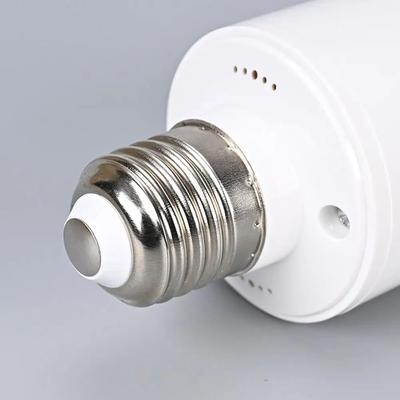
United Remote Control Bulb Adapter Wireless Remote Control Light Socket Lamp Holder Remote Control Bulb Adapter Wireless Remote Control Light Socket Lamp HolderTransform any ordinary lamp into a convenient smartcontrol lighting solution with this wireless remote control light socket adapter. Designed for effortless everyday use, it lets you switch lights on or off from across the room without wiring or...49,97 $*Shipping: 0,00 $Secure redirect to the provider



-
Why is water eliminated during esterification?
Water is eliminated during esterification because it is a byproduct of the reaction between an alcohol and a carboxylic acid to form an ester. The elimination of water helps drive the reaction forward by Le Chatelier's principle, as the removal of the water shifts the equilibrium towards the formation of more ester product. Additionally, the presence of water can hydrolyze the ester back into the alcohol and carboxylic acid, so removing water helps prevent the reverse reaction from occurring. **
-
Is esterification also an oxidation reaction?
No, esterification is not an oxidation reaction. Esterification is a chemical reaction between an alcohol and a carboxylic acid to form an ester and water. In this reaction, the alcohol group (-OH) from the alcohol and the carboxyl group (-COOH) from the carboxylic acid combine to form an ester linkage. Oxidation reactions involve the loss of electrons, while esterification involves the formation of a new compound through the combination of functional groups. **
-
What is a catalyst in esterification?
A catalyst in esterification is a substance that increases the rate of the esterification reaction without being consumed in the process. It works by providing an alternative pathway for the reaction to occur, lowering the activation energy required for the reaction to take place. Common catalysts for esterification include acids, such as sulfuric acid or hydrochloric acid, which can protonate the carbonyl group of the carboxylic acid and activate it for nucleophilic attack by the alcohol. This results in the formation of the ester product at a faster rate than without the catalyst. **
-
Is condensation the same as esterification?
No, condensation and esterification are not the same. Condensation is a general term used to describe the process of two molecules combining and releasing a small molecule, such as water, as a byproduct. Esterification, on the other hand, specifically refers to the chemical reaction between an alcohol and a carboxylic acid to form an ester and water. While esterification is a type of condensation reaction, not all condensation reactions are esterification. **

What is the degree of esterification?
The degree of esterification refers to the extent to which a carboxylic acid has been esterified with an alcohol to form an ester. It is a measure of the proportion of carboxylic acid groups that have been converted to ester groups in a molecule. The degree of esterification can be expressed as a percentage, with 100% indicating complete esterification and 0% indicating no esterification. This parameter is important in various industrial processes, such as in the production of biodiesel and in the synthesis of polymers. **
What is the reaction type of esterification?
Esterification is a type of organic reaction that involves the formation of an ester from a carboxylic acid and an alcohol in the presence of an acid catalyst. This reaction is a condensation reaction, where a small molecule, such as water, is eliminated as a byproduct. Esterification is an important reaction in organic chemistry and is commonly used in the synthesis of fragrances, flavors, and pharmaceuticals. **
Top-Angebote
Products related to Esterification:
-
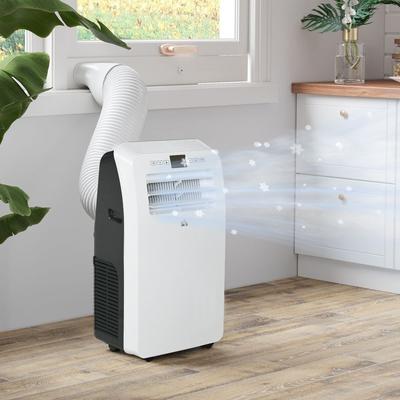
Portable Air Conditioner, Cooling Fan, Remote, 24H Timer On/OffProduct Features 3-in-1 Functionality: An indoor AC unit is essential for maintaining comfort. This portable air conditioner cools, dehumidifies, and fans your space. It has adjustable temperature control from 59-86°F and three fan speeds.512,99 $*Shipping: 0,00 $Secure redirect to the provider
-
Inspire Curations SmartEase E27 Wireless Remote Lamp Holder Intelligent Light Switch Socket For Easy On Off Control SmartEase E27 Wireless Remote Lamp Holder Intelligent Light Switch Socket For Easy On Off ControlTurning lights on and off shouldnt require getting up or fumbling for switches. This practical wireless lamp holder instantly upgrades your existing bulb into a remotely controlled light, adding comfort and convenience to any room. Designed with a...66,95 $*Shipping: 0,00 $Secure redirect to the provider
-
Kringle Candle Far, Far Away tealight candle 42 gKringle Candle Far, Far Away, 42 g, Scented Candles Home Scents, The Kringle Candle Far, Far Away tealight creates an atmosphere for every romantic dinner or regular evening. A candle placed in a candlestick becomes a home accessory and gives your smaller rooms a pleasant scent. A combination of several fragrances allows you to create a fragrant experience to your liking. Characteristics: a fresh fragrance citrus fragrance a woody fragrance clean burning Ingredients: cotton wick recyclable product How to use: Place the candle on a heat-resistant surface. Do not leave to burn for more than four hours. Never let the candle burn to the end. Never leave a burning candle unattended or close to easily flammable objects. Keep out of the reach of children and pets. Always let the candle burn until the surface completely melts to prevent an unwanted hollow in the wax from forming. For optimal burning, we recommend regularly trimming the wick down to the recommended length. Follow the instructions included.3,10 £*Shipping: 3,99 £Secure redirect to the provider
-
United Remote Control Bulb Adapter Wireless Remote Control Light Socket Lamp Holder Remote Control Bulb Adapter Wireless Remote Control Light Socket Lamp HolderTransform any ordinary lamp into a convenient smartcontrol lighting solution with this wireless remote control light socket adapter. Designed for effortless everyday use, it lets you switch lights on or off from across the room without wiring or...49,97 $*Shipping: 0,00 $Secure redirect to the provider
-
Why is water split off during esterification?
Water is split off during esterification because it is a byproduct of the reaction between an alcohol and a carboxylic acid. In esterification, the hydroxyl group (-OH) from the alcohol and the hydrogen atom from the carboxylic acid combine to form water. This process helps to form the ester compound, which is the desired product of the reaction. **
-
How does esterification work in chemistry?
Esterification is a chemical reaction that involves the reaction between an alcohol and a carboxylic acid to form an ester and water. This reaction is typically catalyzed by an acid or a base. The alcohol group (-OH) from the alcohol and the carboxyl group (-COOH) from the carboxylic acid combine to form an ester linkage (-COO-). Esterification is a reversible reaction, meaning that esters can be hydrolyzed back into their original alcohol and carboxylic acid components under certain conditions. **
-
Why is water eliminated during esterification?
Water is eliminated during esterification because it is a byproduct of the reaction between an alcohol and a carboxylic acid to form an ester. The elimination of water helps drive the reaction forward by Le Chatelier's principle, as the removal of the water shifts the equilibrium towards the formation of more ester product. Additionally, the presence of water can hydrolyze the ester back into the alcohol and carboxylic acid, so removing water helps prevent the reverse reaction from occurring. **
-
Is esterification also an oxidation reaction?
No, esterification is not an oxidation reaction. Esterification is a chemical reaction between an alcohol and a carboxylic acid to form an ester and water. In this reaction, the alcohol group (-OH) from the alcohol and the carboxyl group (-COOH) from the carboxylic acid combine to form an ester linkage. Oxidation reactions involve the loss of electrons, while esterification involves the formation of a new compound through the combination of functional groups. **
Similar search terms for Esterification
-
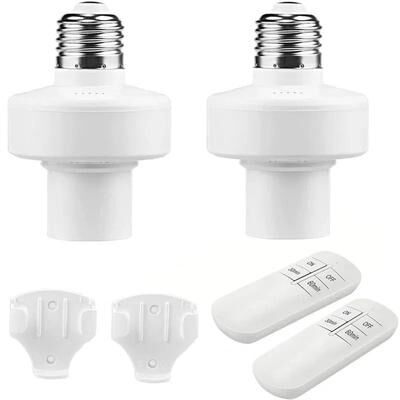
Uplift Picks Smart E27 Remote Light Socket Timer Switch Lamp Holder With Wireless On Off Control 15m Range Smart E27 Remote Light Socket Timer Switch Lamp Holder With Wireless On Off Control 15m RangeMake your lighting easier, smarter, and more convenient in seconds. This smart timer lamp holder lets you turn lights on or off without getting up, perfect for bedrooms, living rooms, or hardtoreach lamps. Simply screw it into your existing bulb...39,49 $*Shipping: 0,00 $Secure redirect to the provider
-
What is a catalyst in esterification?
A catalyst in esterification is a substance that increases the rate of the esterification reaction without being consumed in the process. It works by providing an alternative pathway for the reaction to occur, lowering the activation energy required for the reaction to take place. Common catalysts for esterification include acids, such as sulfuric acid or hydrochloric acid, which can protonate the carbonyl group of the carboxylic acid and activate it for nucleophilic attack by the alcohol. This results in the formation of the ester product at a faster rate than without the catalyst. **
-
Is condensation the same as esterification?
No, condensation and esterification are not the same. Condensation is a general term used to describe the process of two molecules combining and releasing a small molecule, such as water, as a byproduct. Esterification, on the other hand, specifically refers to the chemical reaction between an alcohol and a carboxylic acid to form an ester and water. While esterification is a type of condensation reaction, not all condensation reactions are esterification. **
-
What is the degree of esterification?
The degree of esterification refers to the extent to which a carboxylic acid has been esterified with an alcohol to form an ester. It is a measure of the proportion of carboxylic acid groups that have been converted to ester groups in a molecule. The degree of esterification can be expressed as a percentage, with 100% indicating complete esterification and 0% indicating no esterification. This parameter is important in various industrial processes, such as in the production of biodiesel and in the synthesis of polymers. **
-
What is the reaction type of esterification?
Esterification is a type of organic reaction that involves the formation of an ester from a carboxylic acid and an alcohol in the presence of an acid catalyst. This reaction is a condensation reaction, where a small molecule, such as water, is eliminated as a byproduct. Esterification is an important reaction in organic chemistry and is commonly used in the synthesis of fragrances, flavors, and pharmaceuticals. **
* All prices are inclusive of VAT and, if applicable, plus shipping costs. The offer information is based on the details provided by the respective shop and is updated through automated processes. Real-time updates do not occur, so deviations can occur in individual cases. ** Note: Parts of this content were created by AI.