Buy 遥か.com ?
We are moving the project
遥か.com .
Are you interested in purchasing the domain
遥か.com ?
domain@kv-gmbh.de · 0541-91531010
Buy 遥か.com ?
Would infinitive?
Yes, infinitives are a form of a verb that is not conjugated to show tense, person, or number. They are often used after certain verbs like "to be," "to want," or "to need." Infinitives can also be used as nouns, adjectives, or adverbs in a sentence. **
What is an infinitive clause? What is an infinitive?
An infinitive clause is a group of words that includes an infinitive and its associated words, such as objects or modifiers. An infinitive is the base form of a verb, typically preceded by the word "to" (e.g. to run, to eat, to study). Infinitive clauses can function as nouns, adjectives, or adverbs within a sentence, and they are often used to express purpose, intention, or result. **

Similar search terms for Infinitive
Top-Angebote
Products related to Infinitive:
-
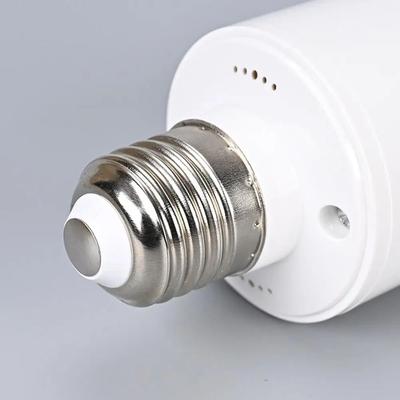
Uplift Picks Smart E27 Remote Light Socket Timer Switch Lamp Holder With Wireless On Off Control 15m Range Smart E27 Remote Light Socket Timer Switch Lamp Holder With Wireless On Off Control 15m RangeMake your lighting easier, smarter, and more convenient in seconds. This smart timer lamp holder lets you turn lights on or off without getting up, perfect for bedrooms, living rooms, or hardtoreach lamps. Simply screw it into your existing bulb...39,49 $*Shipping: 0,00 $Secure redirect to the provider
-
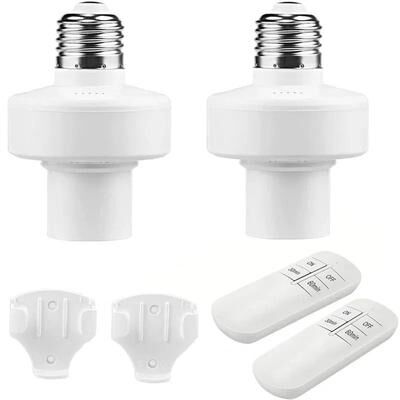
United Remote Control Bulb Adapter Wireless Remote Control Light Socket Lamp Holder Remote Control Bulb Adapter Wireless Remote Control Light Socket Lamp HolderTransform any ordinary lamp into a convenient smartcontrol lighting solution with this wireless remote control light socket adapter. Designed for effortless everyday use, it lets you switch lights on or off from across the room without wiring or...49,97 $*Shipping: 0,00 $Secure redirect to the provider



-
What is the difference between "arreter de + Infinitive" and "s'arreter + Infinitive"?
The difference between "arreter de + Infinitive" and "s'arreter + Infinitive" lies in the subject of the action. "Arreter de + Infinitive" means to stop doing something, where the subject is external and stops someone or something from doing an action. On the other hand, "s'arreter + Infinitive" means to stop oneself from doing something, where the subject is internal and refers to someone stopping their own action. **
-
What is the infinitive?
The infinitive is the base form of a verb, typically preceded by the word "to" (e.g., to run, to eat). It is the most basic form of the verb and is used in various ways in English grammar, such as to express purpose, obligation, or future actions. The infinitive can also be used without the word "to" in certain constructions, known as bare infinitives (e.g., I must go, let him eat). **
-
What form is the infinitive?
The infinitive is the base form of a verb, typically preceded by the word "to" (e.g. to run, to eat). It is used to express purpose, intention, or potential actions. In English, infinitives can function as nouns, adjectives, or adverbs within a sentence. **
-
What is the perfect infinitive?
The perfect infinitive is a verb form that is used to show an action that was completed before the main verb in the sentence. It is formed by using 'to have' followed by the past participle of the main verb. For example, in the sentence "She seems to have finished her homework," 'to have finished' is the perfect infinitive. This form is commonly used to indicate actions that happened in the past relative to the main verb. **


What is an infinitive example?
An infinitive example is a verb form that is typically preceded by the word "to" (e.g. to run, to eat, to sleep). It is the base form of the verb and is used in a variety of ways in English grammar, such as to express purpose, intention, or obligation. Infinitive examples can also be used as subjects, objects, or complements in a sentence. **
Is it in the infinitive?
No, the sentence does not contain an infinitive. **
Top-Angebote
Products related to Infinitive:
-
Portable Air Conditioner, Cooling Fan, Remote, 24H Timer On/OffProduct Features 3-in-1 Functionality: An indoor AC unit is essential for maintaining comfort. This portable air conditioner cools, dehumidifies, and fans your space. It has adjustable temperature control from 59-86°F and three fan speeds.512,99 $*Shipping: 0,00 $Secure redirect to the provider
-
Inspire Curations SmartEase E27 Wireless Remote Lamp Holder Intelligent Light Switch Socket For Easy On Off Control SmartEase E27 Wireless Remote Lamp Holder Intelligent Light Switch Socket For Easy On Off ControlTurning lights on and off shouldnt require getting up or fumbling for switches. This practical wireless lamp holder instantly upgrades your existing bulb into a remotely controlled light, adding comfort and convenience to any room. Designed with a...66,95 $*Shipping: 0,00 $Secure redirect to the provider
-
Would infinitive?
Yes, infinitives are a form of a verb that is not conjugated to show tense, person, or number. They are often used after certain verbs like "to be," "to want," or "to need." Infinitives can also be used as nouns, adjectives, or adverbs in a sentence. **
-
What is an infinitive clause? What is an infinitive?
An infinitive clause is a group of words that includes an infinitive and its associated words, such as objects or modifiers. An infinitive is the base form of a verb, typically preceded by the word "to" (e.g. to run, to eat, to study). Infinitive clauses can function as nouns, adjectives, or adverbs within a sentence, and they are often used to express purpose, intention, or result. **
-
What is the difference between "arreter de + Infinitive" and "s'arreter + Infinitive"?
The difference between "arreter de + Infinitive" and "s'arreter + Infinitive" lies in the subject of the action. "Arreter de + Infinitive" means to stop doing something, where the subject is external and stops someone or something from doing an action. On the other hand, "s'arreter + Infinitive" means to stop oneself from doing something, where the subject is internal and refers to someone stopping their own action. **
-
What is the infinitive?
The infinitive is the base form of a verb, typically preceded by the word "to" (e.g., to run, to eat). It is the most basic form of the verb and is used in various ways in English grammar, such as to express purpose, obligation, or future actions. The infinitive can also be used without the word "to" in certain constructions, known as bare infinitives (e.g., I must go, let him eat). **
Similar search terms for Infinitive
-
Uplift Picks Smart E27 Remote Light Socket Timer Switch Lamp Holder With Wireless On Off Control 15m Range Smart E27 Remote Light Socket Timer Switch Lamp Holder With Wireless On Off Control 15m RangeMake your lighting easier, smarter, and more convenient in seconds. This smart timer lamp holder lets you turn lights on or off without getting up, perfect for bedrooms, living rooms, or hardtoreach lamps. Simply screw it into your existing bulb...39,49 $*Shipping: 0,00 $Secure redirect to the provider
-
United Remote Control Bulb Adapter Wireless Remote Control Light Socket Lamp Holder Remote Control Bulb Adapter Wireless Remote Control Light Socket Lamp HolderTransform any ordinary lamp into a convenient smartcontrol lighting solution with this wireless remote control light socket adapter. Designed for effortless everyday use, it lets you switch lights on or off from across the room without wiring or...49,97 $*Shipping: 0,00 $Secure redirect to the provider
-
What form is the infinitive?
The infinitive is the base form of a verb, typically preceded by the word "to" (e.g. to run, to eat). It is used to express purpose, intention, or potential actions. In English, infinitives can function as nouns, adjectives, or adverbs within a sentence. **
-
What is the perfect infinitive?
The perfect infinitive is a verb form that is used to show an action that was completed before the main verb in the sentence. It is formed by using 'to have' followed by the past participle of the main verb. For example, in the sentence "She seems to have finished her homework," 'to have finished' is the perfect infinitive. This form is commonly used to indicate actions that happened in the past relative to the main verb. **
-
What is an infinitive example?
An infinitive example is a verb form that is typically preceded by the word "to" (e.g. to run, to eat, to sleep). It is the base form of the verb and is used in a variety of ways in English grammar, such as to express purpose, intention, or obligation. Infinitive examples can also be used as subjects, objects, or complements in a sentence. **
-
Is it in the infinitive?
No, the sentence does not contain an infinitive. **
* All prices are inclusive of VAT and, if applicable, plus shipping costs. The offer information is based on the details provided by the respective shop and is updated through automated processes. Real-time updates do not occur, so deviations can occur in individual cases. ** Note: Parts of this content were created by AI.