Buy 遥か.com ?
We are moving the project
遥か.com .
Are you interested in purchasing the domain
遥か.com ?
domain@kv-gmbh.de · 0541-91531010
Buy 遥か.com ?
Would the buoyant force increase?
If the object is submerged deeper into the fluid, the buoyant force would increase. This is because the pressure at greater depths is higher, resulting in a greater upward force on the object. Therefore, as the object sinks deeper into the fluid, the buoyant force acting on it would increase. **
Is the tracking line buoyant?
Yes, the tracking line is buoyant. It is designed to float on the surface of the water, making it easier to see and retrieve. This buoyancy helps prevent the line from sinking and getting tangled or caught on underwater obstacles. Additionally, the buoyancy of the tracking line ensures that it remains visible and accessible during water-based activities. **


Similar search terms for Buoyant
Top-Angebote
Products related to Buoyant:
-
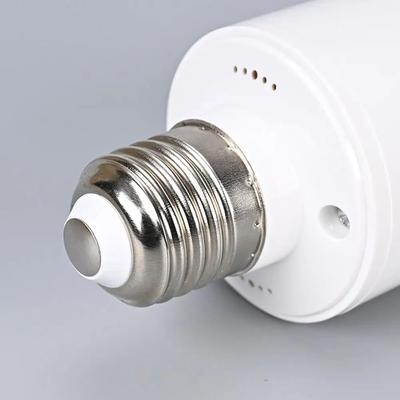
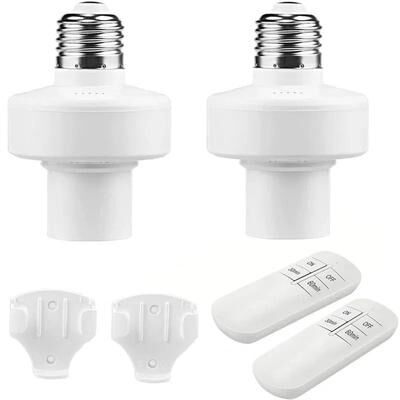
Inspire Curations SmartEase E27 Wireless Remote Lamp Holder Intelligent Light Switch Socket For Easy On Off Control SmartEase E27 Wireless Remote Lamp Holder Intelligent Light Switch Socket For Easy On Off ControlTurning lights on and off shouldnt require getting up or fumbling for switches. This practical wireless lamp holder instantly upgrades your existing bulb into a remotely controlled light, adding comfort and convenience to any room. Designed with a...66,95 $*Shipping: 0,00 $Secure redirect to the provider
-
Uplift Picks Smart E27 Remote Light Socket Timer Switch Lamp Holder With Wireless On Off Control 15m Range Smart E27 Remote Light Socket Timer Switch Lamp Holder With Wireless On Off Control 15m RangeMake your lighting easier, smarter, and more convenient in seconds. This smart timer lamp holder lets you turn lights on or off without getting up, perfect for bedrooms, living rooms, or hardtoreach lamps. Simply screw it into your existing bulb...39,49 $*Shipping: 0,00 $Secure redirect to the provider


-
What is the buoyant force 3?
Buoyant force is the upward force exerted by a fluid on an object immersed in it. It is equal to the weight of the fluid displaced by the object. This force is what allows objects to float in a fluid, as it counteracts the force of gravity pulling the object down. The magnitude of the buoyant force is directly proportional to the density of the fluid and the volume of the fluid displaced. **
-
How do I calculate the buoyant force?
To calculate the buoyant force acting on an object submerged in a fluid, you can use Archimedes' principle. The buoyant force is equal to the weight of the fluid displaced by the object. You can calculate the weight of the displaced fluid by multiplying the density of the fluid, the acceleration due to gravity, and the volume of the fluid displaced. This buoyant force acts in the opposite direction to the force of gravity on the object, helping it float or rise in the fluid. **
-
What is the definition of buoyant density?
Buoyant density refers to the density of a particle or molecule in a solution, measured by its ability to float or sink in that solution. It is commonly used in biochemistry to separate molecules based on their buoyant densities using techniques such as density gradient centrifugation. By determining the buoyant density of molecules, researchers can isolate and purify specific components from a mixture based on their differences in density. **
-
How is buoyant force calculated in physics?
Buoyant force is calculated in physics using Archimedes' principle, which states that the buoyant force acting on an object immersed in a fluid is equal to the weight of the fluid displaced by the object. This means that the buoyant force is equal to the density of the fluid times the volume of the fluid displaced by the object times the acceleration due to gravity. Mathematically, the formula for calculating buoyant force is Fb = ρ * V * g, where Fb is the buoyant force, ρ is the density of the fluid, V is the volume of the fluid displaced, and g is the acceleration due to gravity. **

What is the unit of buoyant force?
The unit of buoyant force is the same as that of force, which is the Newton (N) in the International System of Units (SI). Buoyant force is the upward force exerted by a fluid on an object immersed in it, and it is equal to the weight of the fluid displaced by the object. This force helps objects float in a fluid or rise to the surface when submerged. **
What is the buoyant force of 5?
The buoyant force of 5 is a measure of the upward force exerted by a fluid on an object immersed in it. It is typically measured in Newtons or pounds and is equal to the weight of the fluid displaced by the object. This force is responsible for the apparent loss of weight of an object when it is submerged in a fluid, and it is a crucial concept in understanding the behavior of objects in fluids, such as in the case of buoyancy and flotation. **
Top-Angebote
Products related to Buoyant:
-
Portable Air Conditioner, Cooling Fan, Remote, 24H Timer On/OffProduct Features 3-in-1 Functionality: An indoor AC unit is essential for maintaining comfort. This portable air conditioner cools, dehumidifies, and fans your space. It has adjustable temperature control from 59-86°F and three fan speeds.512,99 $*Shipping: 0,00 $Secure redirect to the provider
-
Kringle Candle Far, Far Away tealight candle 42 gKringle Candle Far, Far Away, 42 g, Scented Candles Home Scents, The Kringle Candle Far, Far Away tealight creates an atmosphere for every romantic dinner or regular evening. A candle placed in a candlestick becomes a home accessory and gives your smaller rooms a pleasant scent. A combination of several fragrances allows you to create a fragrant experience to your liking. Characteristics: a fresh fragrance citrus fragrance a woody fragrance clean burning Ingredients: cotton wick recyclable product How to use: Place the candle on a heat-resistant surface. Do not leave to burn for more than four hours. Never let the candle burn to the end. Never leave a burning candle unattended or close to easily flammable objects. Keep out of the reach of children and pets. Always let the candle burn until the surface completely melts to prevent an unwanted hollow in the wax from forming. For optimal burning, we recommend regularly trimming the wick down to the recommended length. Follow the instructions included.3,10 £*Shipping: 3,99 £Secure redirect to the provider
-
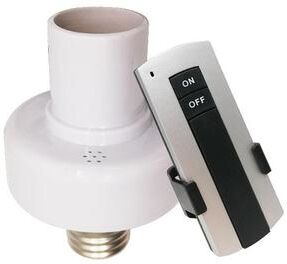
Inspire Curations SmartEase E27 Wireless Remote Lamp Holder Intelligent Light Switch Socket For Easy On Off Control SmartEase E27 Wireless Remote Lamp Holder Intelligent Light Switch Socket For Easy On Off ControlTurning lights on and off shouldnt require getting up or fumbling for switches. This practical wireless lamp holder instantly upgrades your existing bulb into a remotely controlled light, adding comfort and convenience to any room. Designed with a...66,95 $*Shipping: 0,00 $Secure redirect to the provider
-
Uplift Picks Smart E27 Remote Light Socket Timer Switch Lamp Holder With Wireless On Off Control 15m Range Smart E27 Remote Light Socket Timer Switch Lamp Holder With Wireless On Off Control 15m RangeMake your lighting easier, smarter, and more convenient in seconds. This smart timer lamp holder lets you turn lights on or off without getting up, perfect for bedrooms, living rooms, or hardtoreach lamps. Simply screw it into your existing bulb...39,49 $*Shipping: 0,00 $Secure redirect to the provider
-
Would the buoyant force increase?
If the object is submerged deeper into the fluid, the buoyant force would increase. This is because the pressure at greater depths is higher, resulting in a greater upward force on the object. Therefore, as the object sinks deeper into the fluid, the buoyant force acting on it would increase. **
-
Is the tracking line buoyant?
Yes, the tracking line is buoyant. It is designed to float on the surface of the water, making it easier to see and retrieve. This buoyancy helps prevent the line from sinking and getting tangled or caught on underwater obstacles. Additionally, the buoyancy of the tracking line ensures that it remains visible and accessible during water-based activities. **
-
What is the buoyant force 3?
Buoyant force is the upward force exerted by a fluid on an object immersed in it. It is equal to the weight of the fluid displaced by the object. This force is what allows objects to float in a fluid, as it counteracts the force of gravity pulling the object down. The magnitude of the buoyant force is directly proportional to the density of the fluid and the volume of the fluid displaced. **
-
How do I calculate the buoyant force?
To calculate the buoyant force acting on an object submerged in a fluid, you can use Archimedes' principle. The buoyant force is equal to the weight of the fluid displaced by the object. You can calculate the weight of the displaced fluid by multiplying the density of the fluid, the acceleration due to gravity, and the volume of the fluid displaced. This buoyant force acts in the opposite direction to the force of gravity on the object, helping it float or rise in the fluid. **
Similar search terms for Buoyant
-
United Remote Control Bulb Adapter Wireless Remote Control Light Socket Lamp Holder Remote Control Bulb Adapter Wireless Remote Control Light Socket Lamp HolderTransform any ordinary lamp into a convenient smartcontrol lighting solution with this wireless remote control light socket adapter. Designed for effortless everyday use, it lets you switch lights on or off from across the room without wiring or...49,97 $*Shipping: 0,00 $Secure redirect to the provider
-
What is the definition of buoyant density?
Buoyant density refers to the density of a particle or molecule in a solution, measured by its ability to float or sink in that solution. It is commonly used in biochemistry to separate molecules based on their buoyant densities using techniques such as density gradient centrifugation. By determining the buoyant density of molecules, researchers can isolate and purify specific components from a mixture based on their differences in density. **
-
How is buoyant force calculated in physics?
Buoyant force is calculated in physics using Archimedes' principle, which states that the buoyant force acting on an object immersed in a fluid is equal to the weight of the fluid displaced by the object. This means that the buoyant force is equal to the density of the fluid times the volume of the fluid displaced by the object times the acceleration due to gravity. Mathematically, the formula for calculating buoyant force is Fb = ρ * V * g, where Fb is the buoyant force, ρ is the density of the fluid, V is the volume of the fluid displaced, and g is the acceleration due to gravity. **
-
What is the unit of buoyant force?
The unit of buoyant force is the same as that of force, which is the Newton (N) in the International System of Units (SI). Buoyant force is the upward force exerted by a fluid on an object immersed in it, and it is equal to the weight of the fluid displaced by the object. This force helps objects float in a fluid or rise to the surface when submerged. **
-
What is the buoyant force of 5?
The buoyant force of 5 is a measure of the upward force exerted by a fluid on an object immersed in it. It is typically measured in Newtons or pounds and is equal to the weight of the fluid displaced by the object. This force is responsible for the apparent loss of weight of an object when it is submerged in a fluid, and it is a crucial concept in understanding the behavior of objects in fluids, such as in the case of buoyancy and flotation. **
* All prices are inclusive of VAT and, if applicable, plus shipping costs. The offer information is based on the details provided by the respective shop and is updated through automated processes. Real-time updates do not occur, so deviations can occur in individual cases. ** Note: Parts of this content were created by AI.